Todaiji Temple
Center of Japanese Buddhism and architectural marvel with a significant bronze Buddha.
On This Page
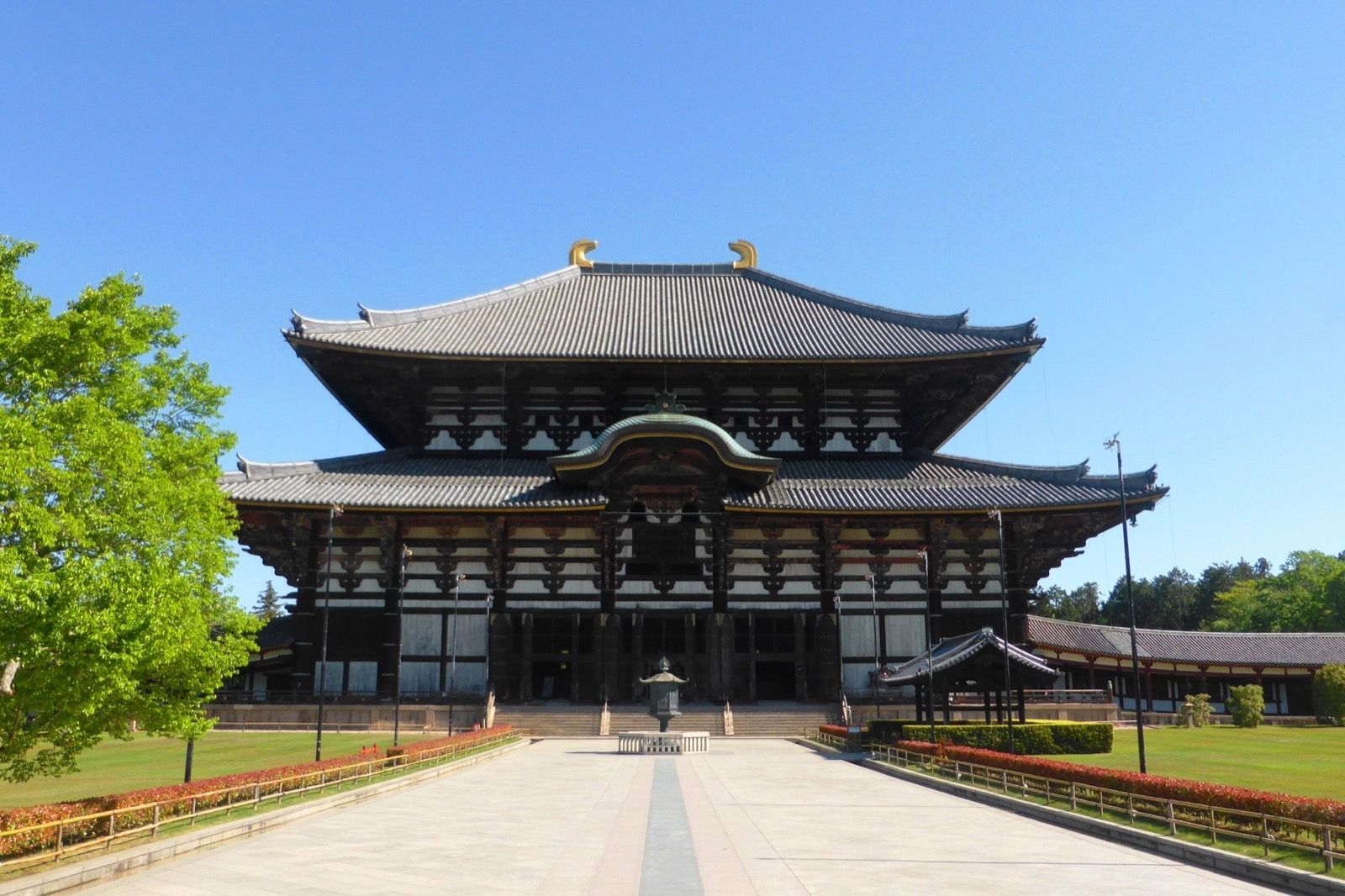
Todaiji Temple, recognized as a UNESCO World Heritage site, is a key site in Japanese Buddhism and architectural history. This iconic temple in Nara, Japan, is famous for its Great Buddha Hall, Daibutsuden, which is among the largest wooden buildings in the world. The hall is home to a striking 15-meter-tall bronze statue of Vairocana Buddha. The temple grounds provide a setting for visitors to discover its history and gardens.
Commissioned by Emperor Shomu, Todai-ji has been instrumental in the spread of Buddhism, particularly as the headquarters of the Kegon school. The temple’s influence led to political changes in the 8th century, due in part to the power it exerted within the capital. Reconstructed to two-thirds of its initial size, the current Daibutsuden, completed in 1709, still impresses visitors with the Daibutsu, Japan’s largest bronze Buddha statue, which has undergone several castings.
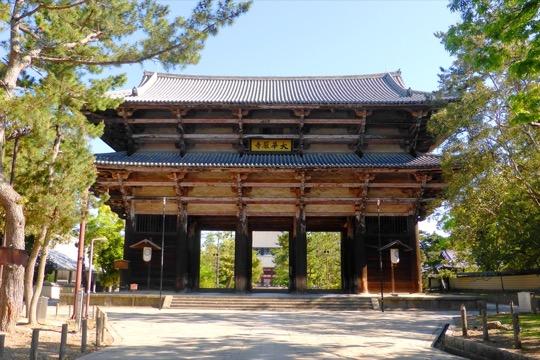
The temple complex features sub-temples, gates, and the Todaiji Museum, offering exhibitions of religious art and treasures. Notable structures include the Nandaimon Gate, Nigatsudo Hall with city views, Hokkedo Hall with its Kannon statue, and the Shosoin Storehouse, which preserves 8th-century treasures.
The temple provides an immersive experience of historical and artistic significance, with the opportunity to see the Daibutsu statue and learn about the site’s past. Todaiji continues as an active place of worship, maintaining Buddhist traditions for the public.
Planning Your Japan Trip?
Is a JR Pass Worth It For Your Route?
Honest Answer in 60 Seconds
A JR Pass doesn't always save you money (and for many routes, it's just extra hassle). Our free calculator works out the real numbers for your planned route, so you can decide for yourself.
Getting There the easiest way to reach Todaiji Temple
Around Todaiji Temple
Nearby in Nara the best attractions close to Todaiji Temple
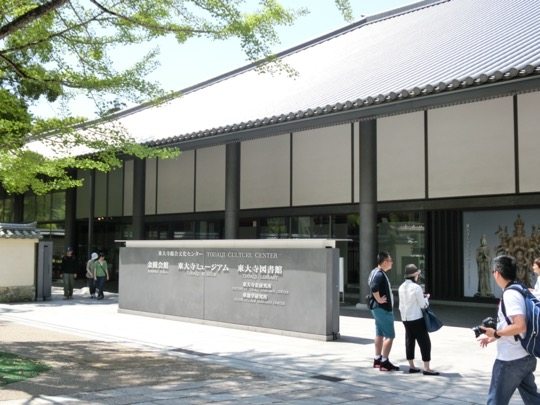
Similar to Todaiji Temple if you like Todaiji Temple, you might also like
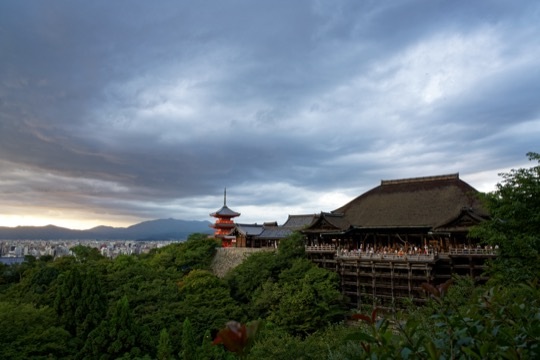
Kiyomizudera Temple
Historic marvel of Japanese architecture offering panoramic views and a deep spiritual heritage.
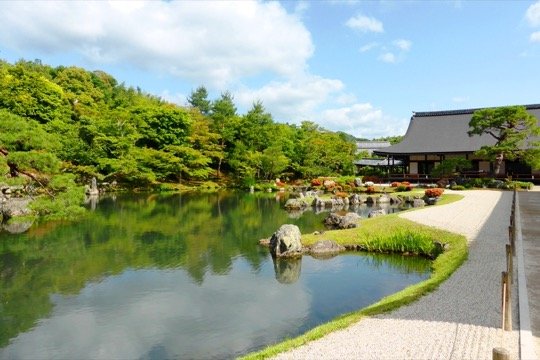
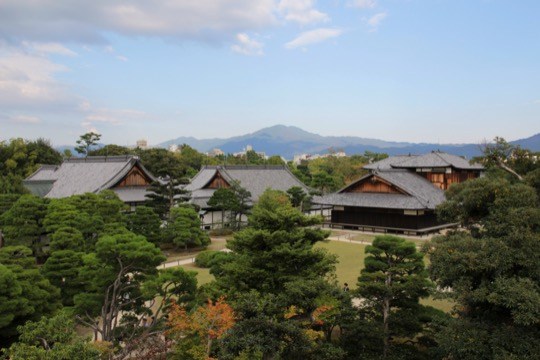
Nijo Castle
Imposing legacy of the Tokugawa Shoguns, featuring lavish interiors and historic gardens
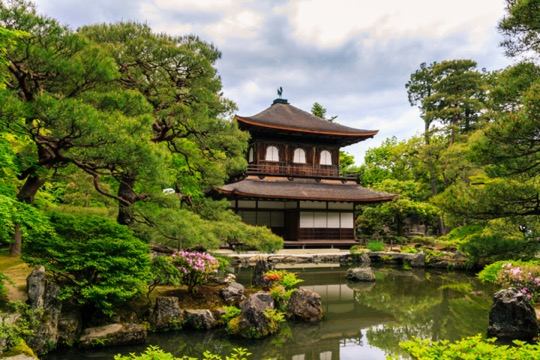
Ginkakuji
The Silver Pavilion: Reflecting the Artistic Splendor of the Ashikaga Shogunate
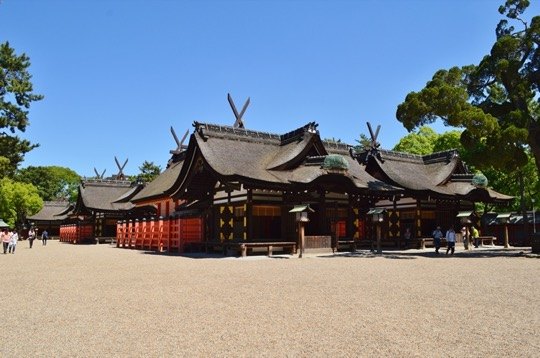
Sumiyoshi Taisha
3rd Century Shrine deeply connected to Japan’s maritime protection, showcasing traditional Shinto architecture.
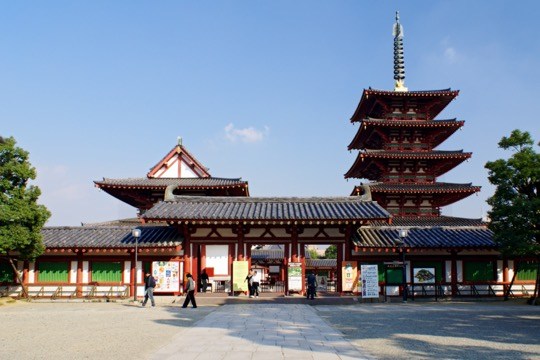
Shitennoji Temple
Historic site of Japanese Buddhism, established by Prince Shotoku
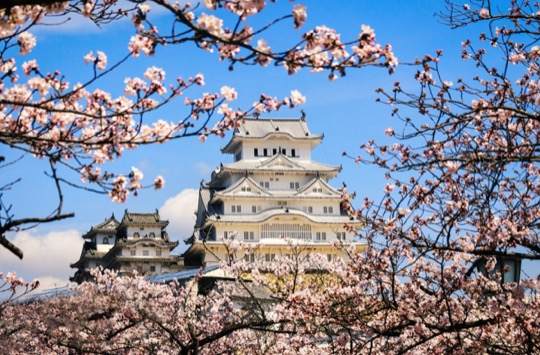
Himeji Castle
The White Egret Castle, a pinnacle of early 17th-century Japanese castle architecture