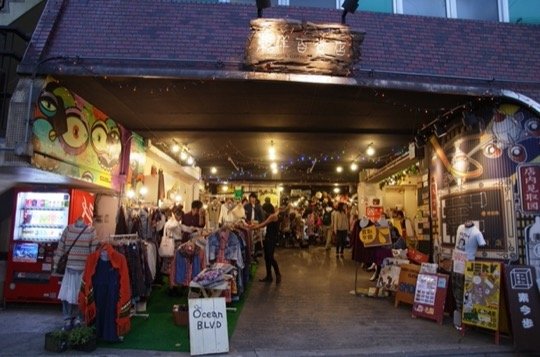
Shimokitazawa
Bohemian enclave with a vibrant youth culture and a plethora of vintage shops
On This Page
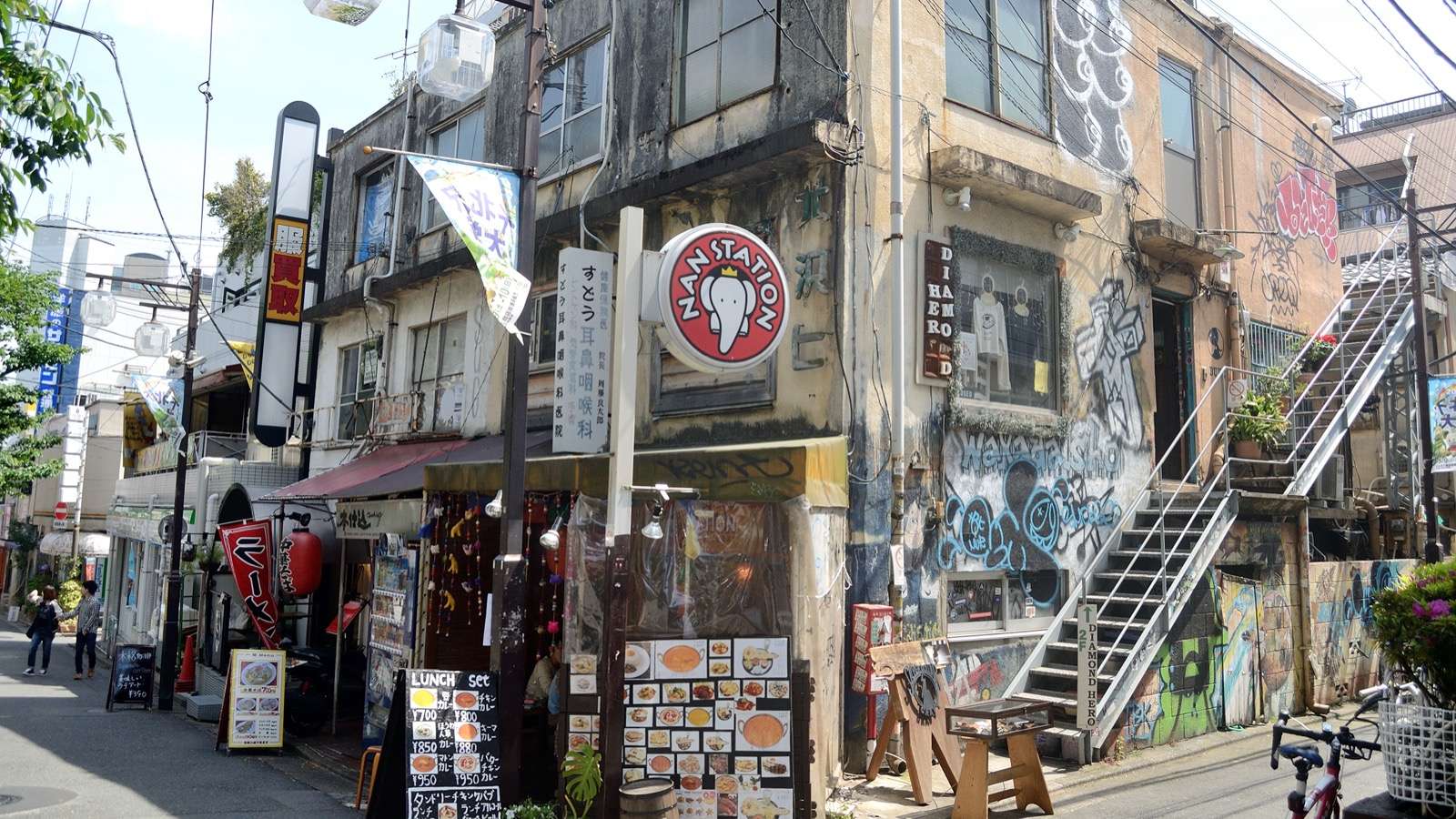
Shimokitazawa, often referred to as Shimokita, is celebrated for its indie spirit and vintage allure within Tokyo. This neighborhood is known for its second-hand stores, quirky cafes, and diverse dining options, catering to a relaxed vibe.
Located in the Setagaya ward, Shimokitazawa transitioned from a post-war residential area to a cultural hotspot. Its narrow streets and low-rise buildings offer a contrast to Tokyo’s characteristic high-rise modernity, maintaining a sense of intimacy and community.
The area developed significantly in the 20th century, especially with the introduction of the Keio Inokashira and Odakyu lines, which turned Shimokitazawa into a vibrant center for commerce and entertainment. It has become a haven for artists, musicians, and actors, featuring live music venues, theaters, and galleries.
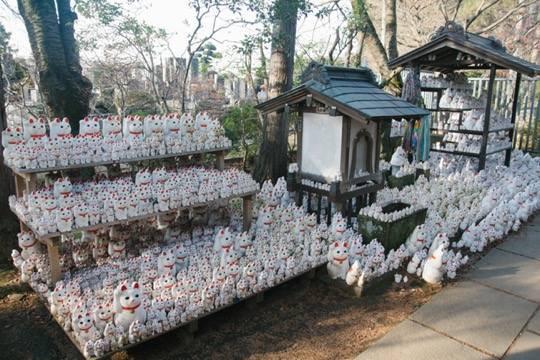
Nearby is Gotokuji Temple, associated with the maneki-neko, the beckoning cat figure believed to bring good luck. The temple provides a tranquil retreat from the neighborhood’s bustle and holds historical importance.
Also close is the Japan Folk Crafts Museum, founded in 1936 by Soetsu Yanagi. The museum honors the Mingei movement, highlighting the beauty of everyday objects made by unidentified craftsmen. Its exhibits shed light on Japanese folk art and its impact on contemporary design.
Shimokitazawa is distinguished by its community’s commitment to maintaining the neighborhood’s unique character, evident in the early 2000s when locals challenged redevelopment plans to protect its identity.
Today, Shimokitazawa remains a destination for those looking for an alternative to Tokyo’s fast-paced lifestyle. Visitors are encouraged to explore the alleyways, where surprises await. The popularity of its second-hand shops underscores the community’s dedication to sustainability.
A visit to Shimokitazawa should include venturing off the main paths to discover its hidden delights, whether through art, music, or food.
Around Shimokitazawa
Highlights around Shimokitazawa
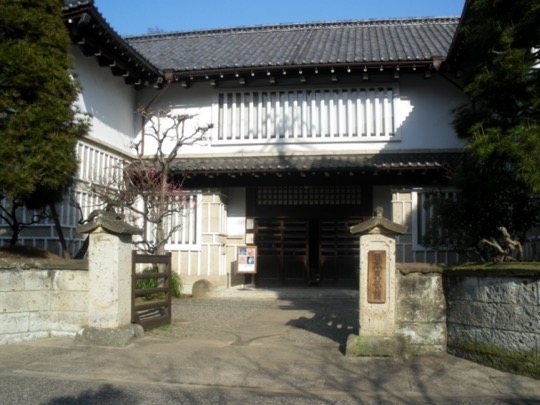
Japan Folk Crafts Museum
A cornerstone of Mingei philosophy, showcasing Japan’s hand-crafted art of ordinary people.
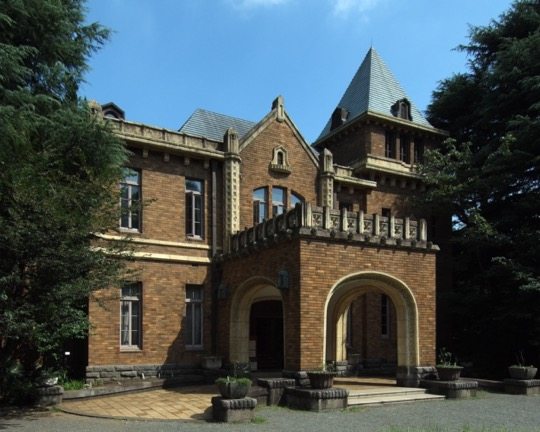
Komaba Park and Maeda Residence
A historic site reflecting Meiji-era heritage in Tokyo’s Meguro Ward