On This Page
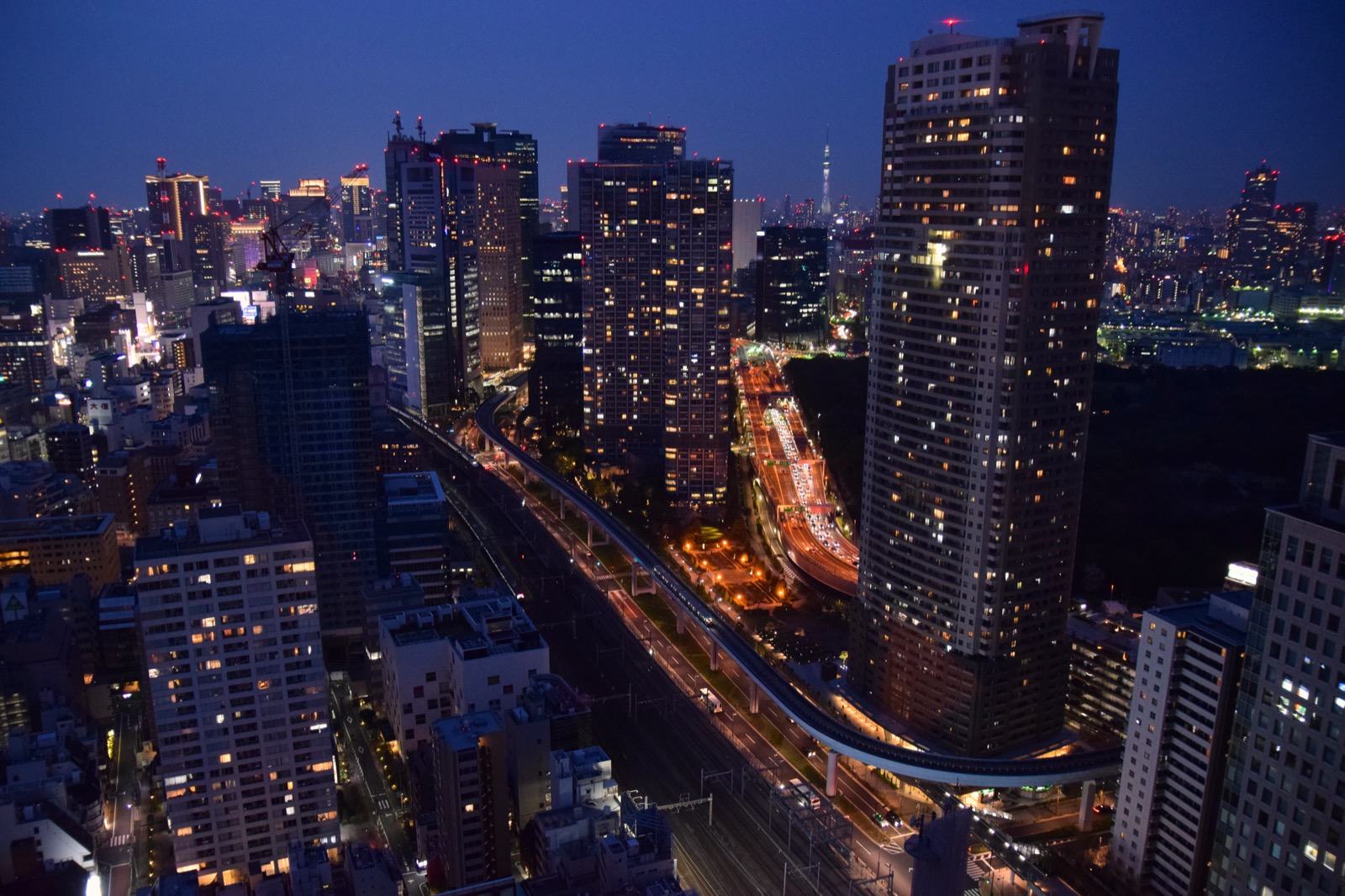
Shinbashi, located in Tokyo, is a district known for its blend of traditional and modern Japanese culture, reflecting Japan’s rapid modernization during the Meiji era.
Shinbashi, or Shimbashi, is a district in Minato ward, Tokyo, Japan. It played a significant role during the Meiji Restoration in the late 19th century, a period when Japan embraced Western influence and technology. The original Shinbashi Station, opened in 1872, was Tokyo’s first railway terminal, symbolizing the start of Japan’s railway era and contributing to the nation’s infrastructure development.
Today, Shinbashi is a lively commercial and entertainment district, home to numerous small restaurants, bars, and izakayas (Japanese pubs), which showcase the nation’s culinary culture and nightlife. The area’s entertainment options include both historic geisha houses and modern karaoke establishments.
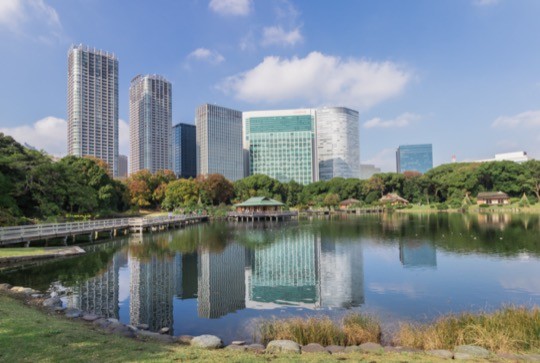
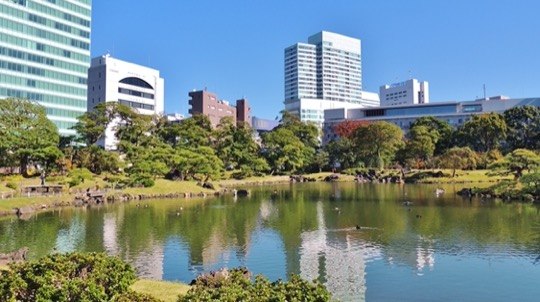
Cultural landmarks enhance Shinbashi’s historical relevance. The nearby Zojoji Temple, founded in 1393, is the family temple of the Tokugawa shogunate and the resting place of six Tokugawa shoguns. Kyu Shiba Rikyu Garden, dating back to the Edo period (1603-1868), and Hamarikyu Gardens, with its seawater ponds and teahouse, are historic gardens offering a calm atmosphere. Tokyo Tower, a symbol of Japan’s post-war recovery, stands as an iconic structure offering city views.
Shinbashi’s importance reflects Tokyo’s evolution, showcasing the city’s respect for tradition alongside progress. The district’s ongoing development continues to shape Tokyo’s identity both locally and internationally.
Around Shinbashi
Highlights around Shinbashi
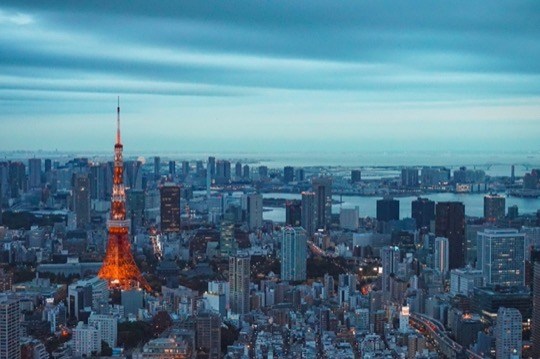
Tokyo Tower
Symbol of Japan’s post-war resurgence and iconic feature of Tokyo’s skyline
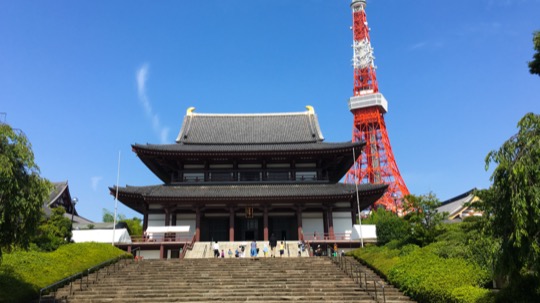
Zojoji Temple
Resting place of Tokugawa shoguns, a cornerstone of Jodo Buddhism since 1393