On This Page
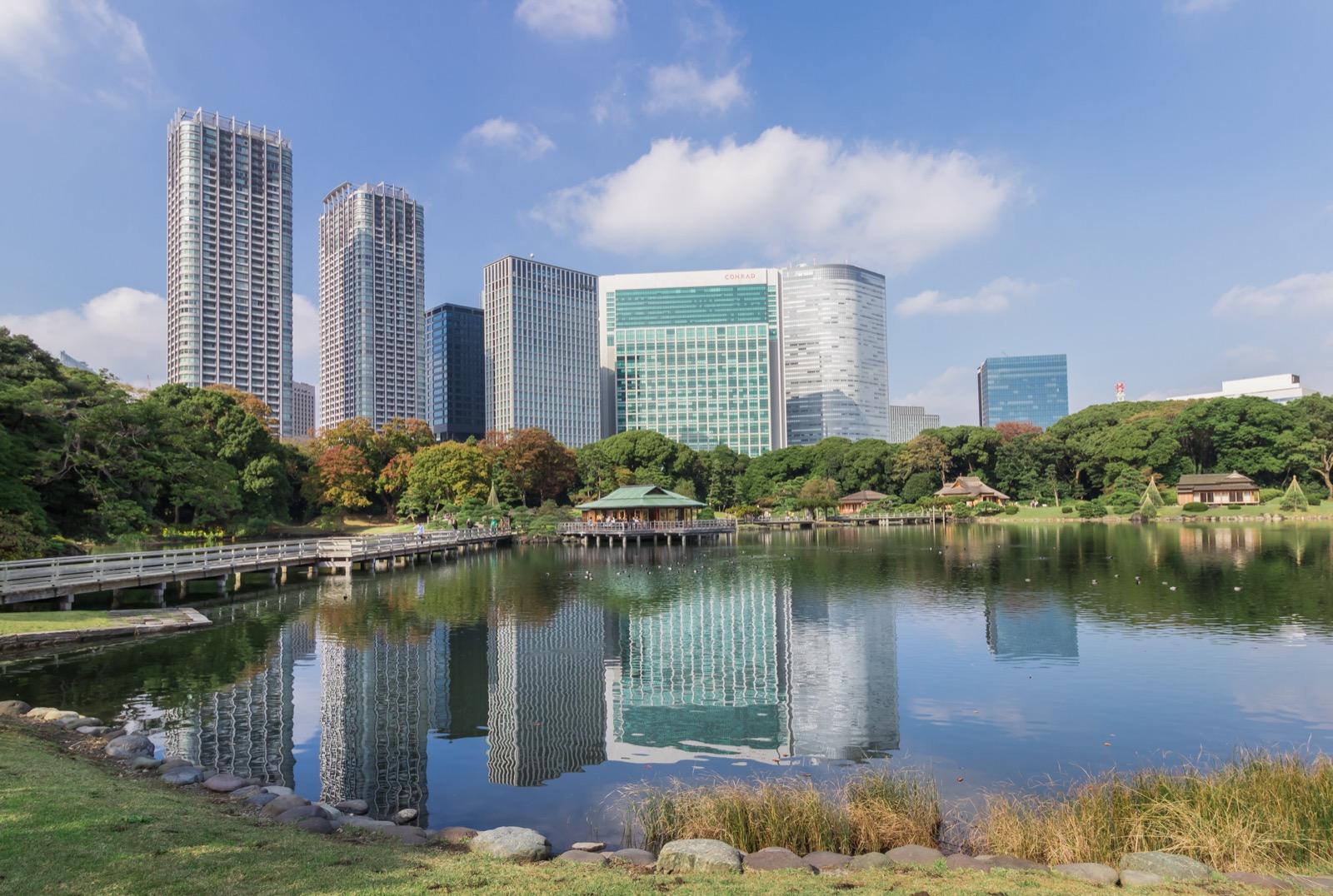
Hama-rikyu Gardens, formerly a shogunal estate, present a juxtaposition of Tokyo’s modern skyscrapers and Edo-period tranquility. Established in the 17th century, this garden is a recognized cultural property of Japan, notable for its scenic beauty and historical value. Visitors can enjoy a walk among tidal ponds, tea houses, and seasonal flora.
Starting as a duck hunting ground and feudal lord’s mansion, Hama-rikyu Gardens, or Hama-rikyu Onshi Teien, has witnessed significant moments of Tokyo’s urban history. It underwent transformations from a shogunate garden to a detached palace for the Imperial family. Opened to the public in 1946 and now covering around 25 hectares, the garden is a rare example of an Edo-period seaside villa.
The garden’s traditional Japanese landscaping features a large central pond and tidal influence from Tokyo Bay. At the Nakajima no Ochaya teahouse, visitors can enjoy a tea ceremony, reflecting Japan’s cultural heritage. The well-maintained gardens display an ancient pine tree and seasonal attractions such as a peony garden and plum grove.
With its history as a duck hunting site and restored teahouses, the park offers insights into the leisure and aesthetic preferences of the Tokugawa shoguns. The Shioiri-no-ike tidal pond and its seawater moat highlight Edo-period engineering skills.
The proximity to the modern Shiodome district emphasizes the gardens’ peaceful atmosphere. Visitors are encouraged to visit the tide-affected ponds and the Nakajima-no-ochaya teahouse to enjoy matcha and sweets. The gardens’ changing seasons bring varied landscapes, with cherry blossoms, autumn leaves, and colorful flower fields.
As a site of historic and natural significance, Hama-rikyu Gardens serves as a place of relaxation and beauty within Tokyo’s urban setting. It allows one to appreciate Japanese garden design and the Tokugawa legacy with a view of Tokyo’s modern skyline.
Planning Your Japan Trip?
Is a JR Pass Worth It For Your Route?
Honest Answer in 60 Seconds
A JR Pass doesn't always save you money (and for many routes, it's just extra hassle). Our free calculator works out the real numbers for your planned route, so you can decide for yourself.
Getting There the easiest way to reach Hamarikyu Gardens
Around Hamarikyu Gardens
Nearby in Tokyo the best attractions close to Hamarikyu Gardens
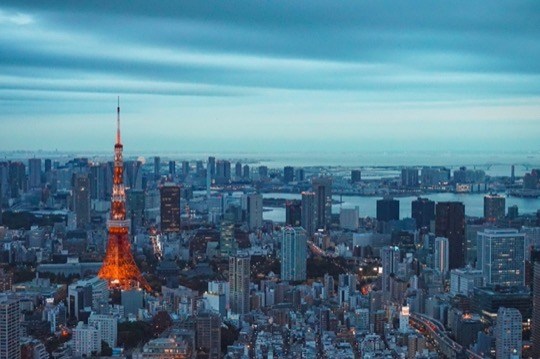
Tokyo Tower
Symbol of Japan’s post-war resurgence and iconic feature of Tokyo’s skyline
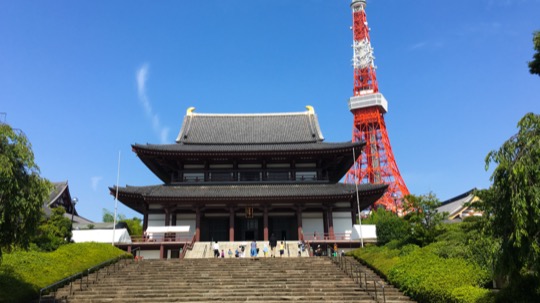
Zojoji Temple
Resting place of Tokugawa shoguns, a cornerstone of Jodo Buddhism since 1393

Similar to Hamarikyu Gardens if you like Hamarikyu Gardens, you might also like
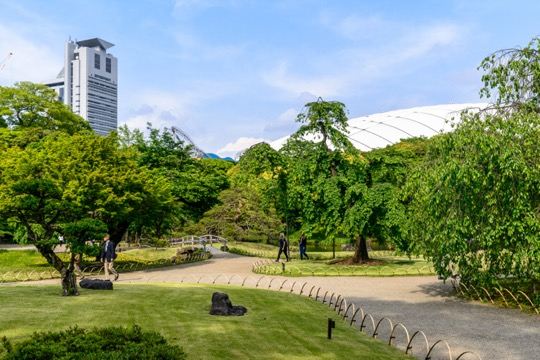
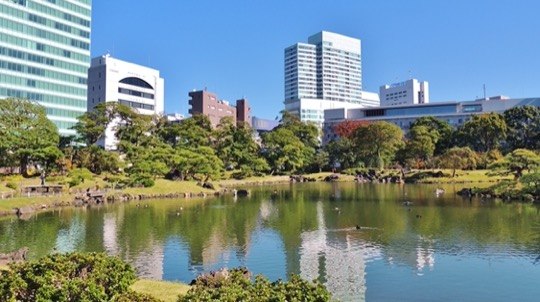
Koishikawa Korakuen Garden
Edo period retreat with Japanese and Chinese landscape influences
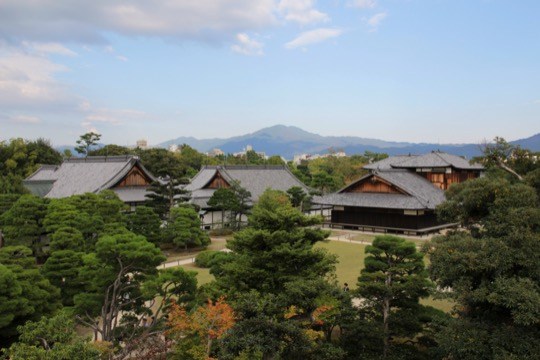
Nijo Castle
Imposing legacy of the Tokugawa Shoguns, featuring lavish interiors and historic gardens
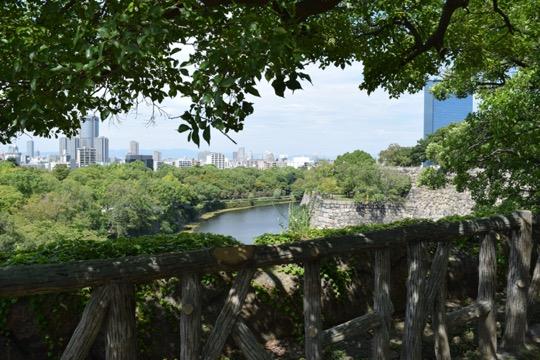
Osaka Castle Park
A significant green space in downtown Osaka, surrounding Osaka Castle.
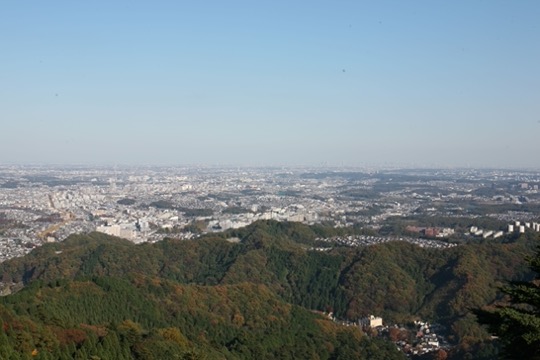
Mount Takao Observation Point
Sacred Summit with Panoramic Vistas of Tokyo and Mt Fuji
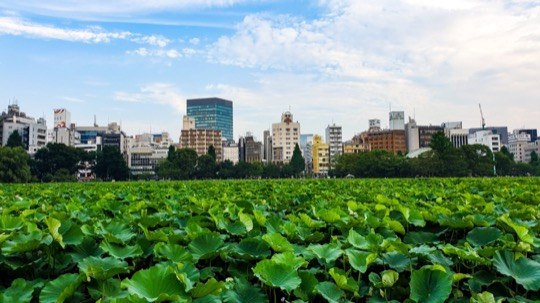
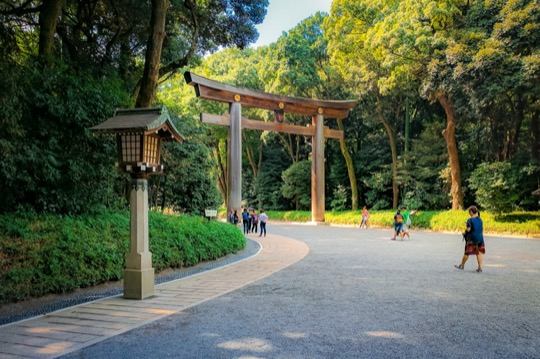
Meiji Jingu Shrine
A peaceful retreat dedicated to Emperor Meiji and Empress Shoken, nestled in Tokyo’s metropolitan landscape.