On This Page
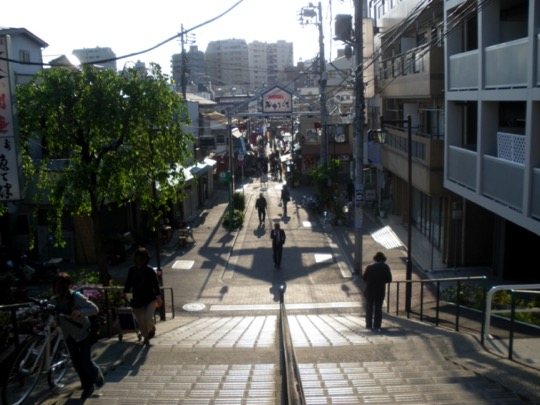
Yanaka, a district in Tokyo, is a rare example of a neighborhood that has preserved the atmosphere of the Edo period’s shitamachi, with its narrow alleys and traditional shops. Today, Yanaka continues to be a cultural hub, drawing artists and visitors to its galleries and workshops.
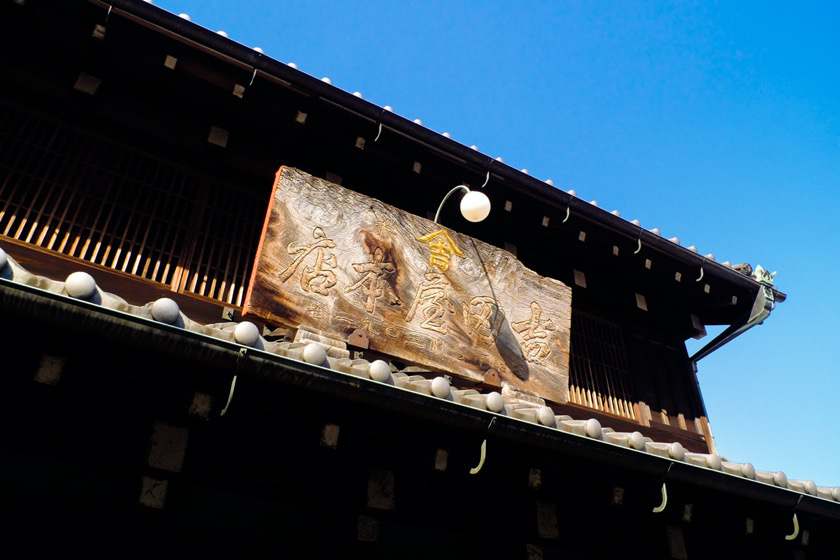
Yanaka offers a look into Tokyo’s past with its well-preserved streets, temples, and cemeteries from the Edo period (1603-1868), contrasting with the city’s modern developments. The area’s shitamachi ambiance is marked by community spirit and small-town congeniality.
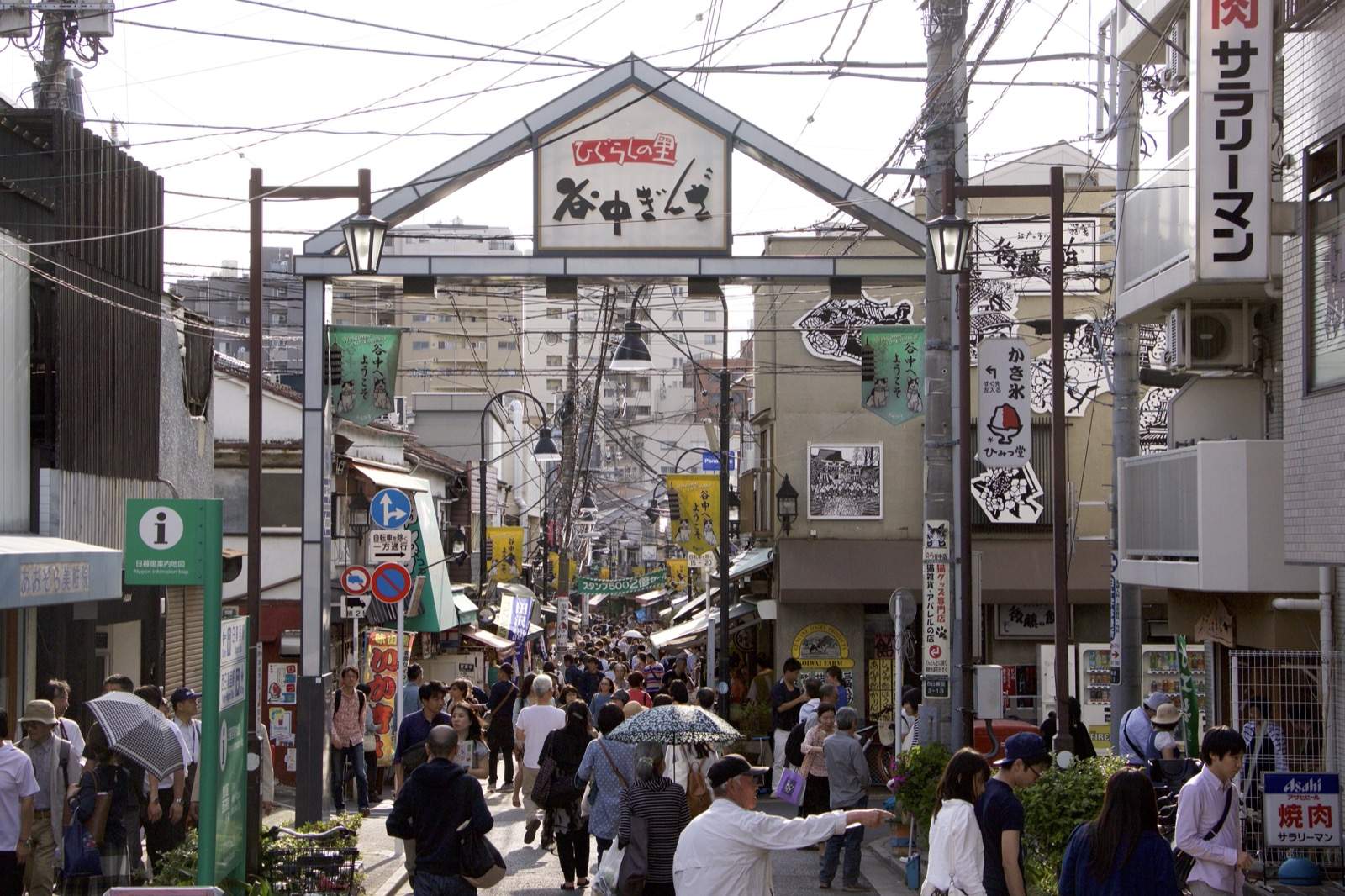
The Yanaka Ginza Shopping Street, a vibrant marketplace, is a focal point where visitors can find traditional goods and experience a sense of community. The Nezu Jinja Shrine, established in 1705, is a cultural landmark known for its azalea festival and tranquil scenery, including a pond, worship sites, and rows of red torii gates.
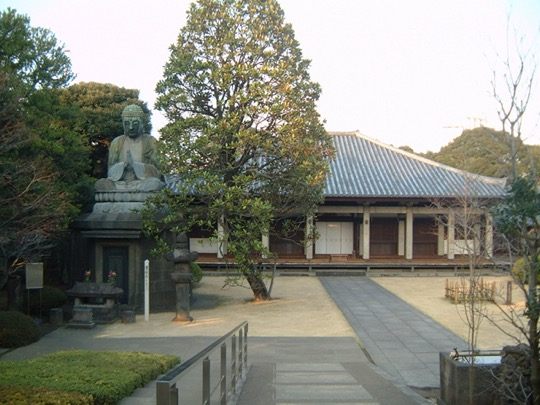
Significant to Yanaka’s spiritual heritage, the Tennoji Temple, founded in 1599, is renowned for its ancient bronze Buddha statue. The temple grounds offer a peaceful retreat within the city.
Yanaka is also a center for the arts, with various galleries and workshops reflecting its artistic tradition. For visitors, Yanaka’s side streets are rich with hidden gems such as family-run eateries and artisanal studios.
In summary, Yanaka is cherished for its embodiment of Tokyo’s history and the shitamachi lifestyle, providing a unique perspective on the city’s heritage.
Around Yanaka
Highlights around Yanaka
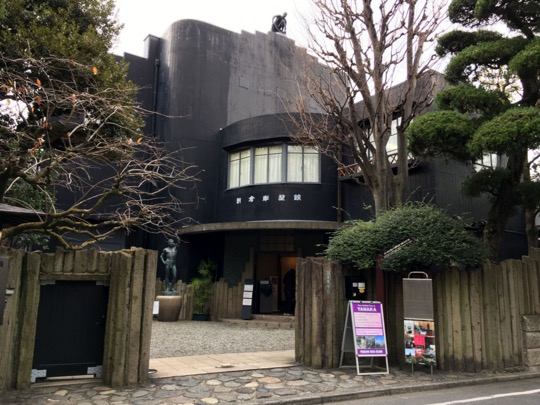
Asakura Museum of Sculpture
Modern Japanese Sculpture and the Legacy of Fumio Asakura
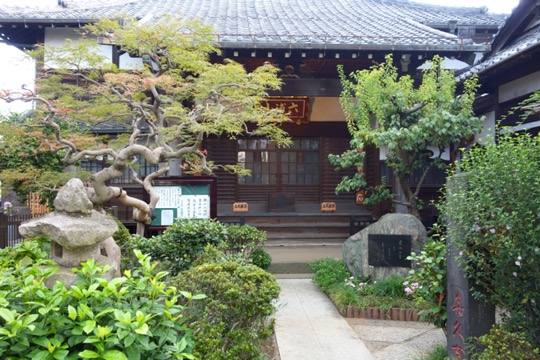
Enjuji Temple
A historic temple associated with blessings for leg and foot health since the 17th century.
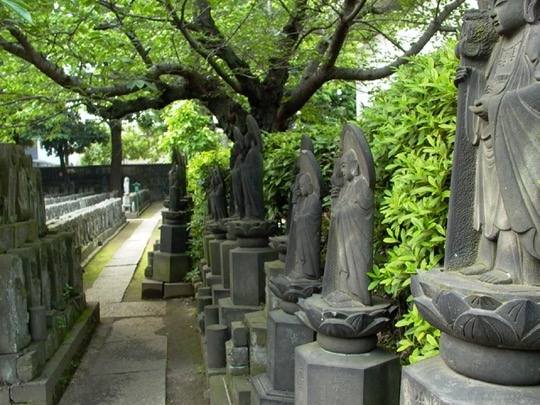
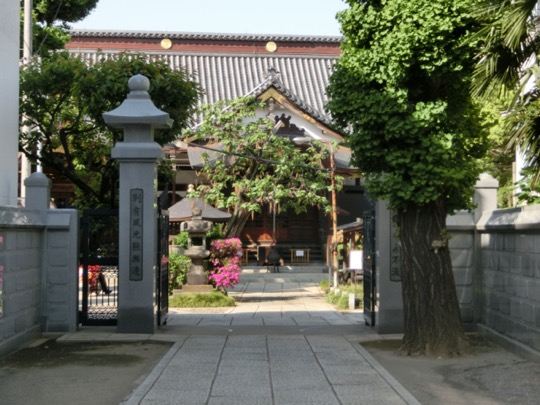
Kokozan Daienji Temple
Historic sanctuary of Nichiren Buddhism with ties to ukiyo-e and the Sengoku-era.
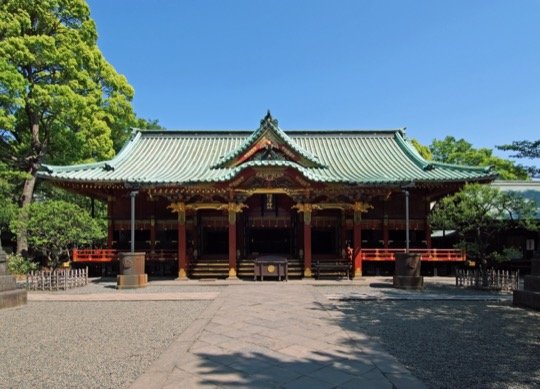
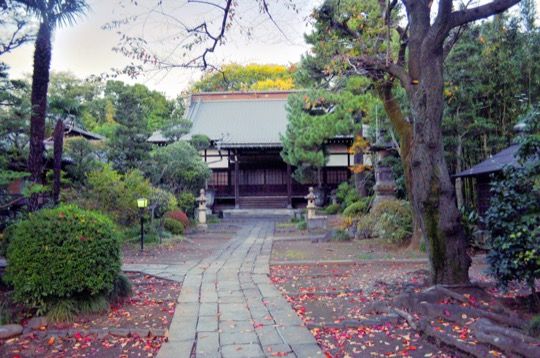
Rinkoji Temple
Founded 1630 featuring historic cultural assets, including the grave of the notable Confucian scholar Gamo Kimpei.
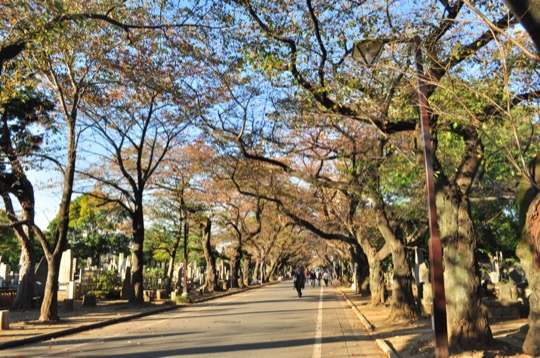
Yanaka Cemetery
A final resting place amidst Tokyo’s cherry blossoms, home to the legacy of the Tokugawa shoguns