Nigitsu Shrine
Honoring Hiroshima’s Founding Lords: The Asano Clan and Their Enduring Legacy
On This Page
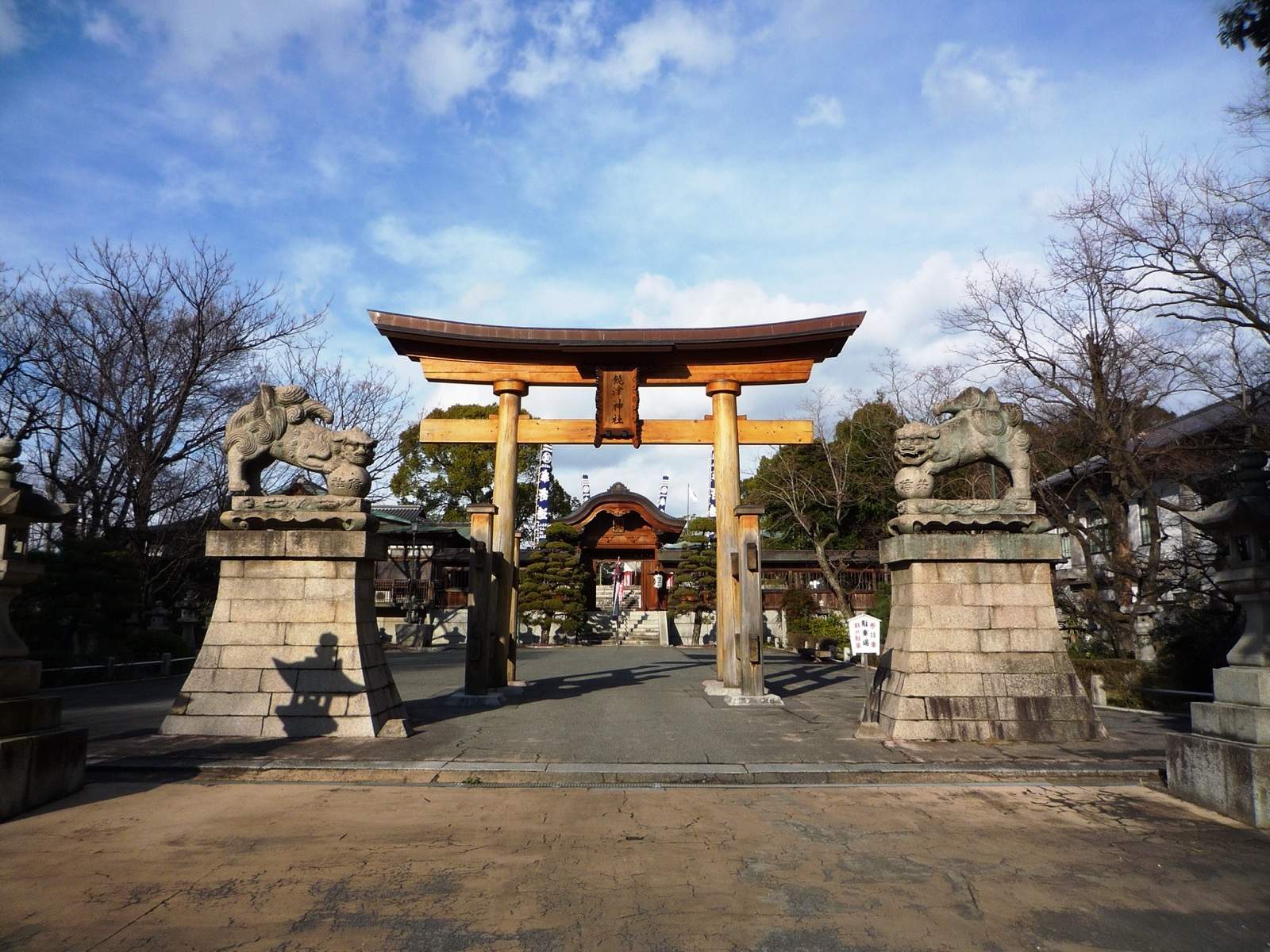
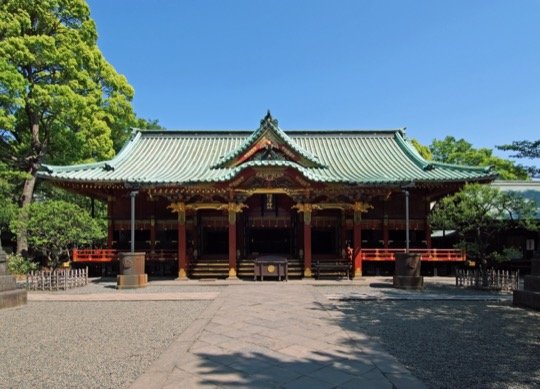
Nigitsu Shrine is a historic symbol of reverence and resilience in Hiroshima. Established during the late Edo to early Meiji period, the shrine venerates the Asano clan, lords of the Hiroshima domain, and has withstood the impact of the 1945 atomic bombing. Today, it continues as a place of worship and local heritage, reflecting Hiroshima’s journey of restoration and remembrance.
Nigitsu Shrine, known locally as Nigitsu-san, was originally founded as a hall for the spiritual tablets of the Asano clan, including Asano Nagamasa, by Hiroshima domain lord Asano Tsunanaga in 1706. Significant reconstructions occurred in 1810 and 1835, with the latter led by Asano Naritaka, who originally named the shrine Futaba-no-Miya. It was officially christened Nigitsu Shrine in 1873.
The shrine has experienced profound historical events, such as the atomic bombing on August 6, 1945, which devastated the main building and the Karamon gate, among other structures. Despite the destruction, a few stone lanterns, a water basin, and about a dozen pine trees survived. The shrine subsequently provided refuge for bombing victims, many of whom passed away on its grounds. These experiences were depicted in Harumi Setouchi’s novel “Summer Flowers,” based on the author’s own experiences.
The reconstruction of Nigitsu Shrine after World War II included a temporary shrine, followed by restoration of the main shrine, worship hall, and Mizugaki enclosure in 1984, reflecting their pre-war condition. The Karamon gate was reconstructed in 2000, noted for its size, and a wooden torii gate was rebuilt in 2005.
The shrine’s grounds include the subsidiary Inari Shrine, dedicated to the deity Uganomitama-no-Mikoto, and the Abe Shrine, which honors the Fukuyama Domain’s Abe family lords. Nigitsu Shrine not only serves as a spiritual center but also as a cultural repository, celebrating figures like Tanaka Michiko, who had familial ties to the neighborhood.
Visitors to Nigitsu Shrine can enjoy the nearby Nigitsu Park, which encompasses the precinct of Tsuruhane Shrine, and marvel at a large camphor tree that forms a natural tunnel over the prefectural road. These sites connect the shrine’s storied past with its natural beauty.
Nigitsu Shrine embodies Hiroshima’s cultural and historical narrative, from its foundation honoring the domain’s founding lords to its rebirth from the ashes of war, serving as a symbol of the community’s enduring spirit and an invitation to reflect and find solace.
Planning Your Japan Trip?
Is a JR Pass Worth It For Your Route?
Honest Answer in 60 Seconds
A JR Pass doesn't always save you money (and for many routes, it's just extra hassle). Our free calculator works out the real numbers for your planned route, so you can decide for yourself.
Getting There the easiest way to reach Nigitsu Shrine
Around Nigitsu Shrine
Nearby in Hiroshima the best attractions close to Nigitsu Shrine
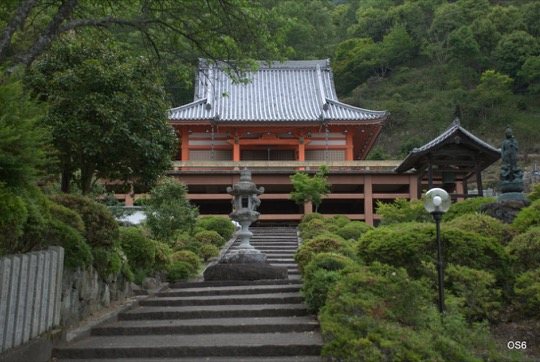
Anrakuji Temple
Survivor of Hiroshima’s darkest day, home to a centuries-old ginkgo sentinel
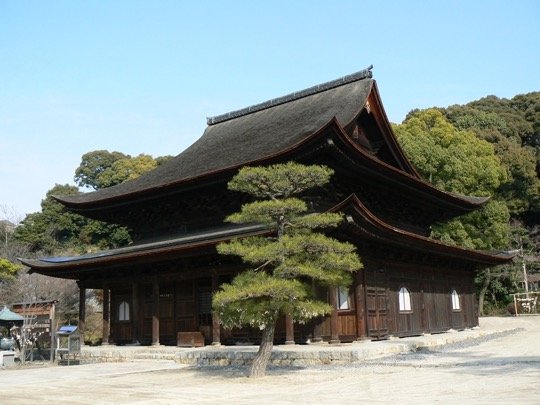
Fudoin Temple
Historic Shingon Buddhist temple in Hiroshima with deep cultural ties
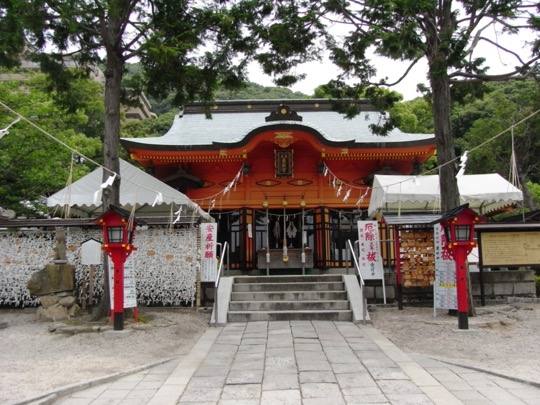
Hiroshima Toshogu Shrine
Enshrining Tokugawa Ieyasu, the founder of the Tokugawa shogunate

Ikari Shrine
A historical shrine dedicated to a notable Edo period lord and a sea deity, surrounded by Hiroshima’s cherry blossoms.
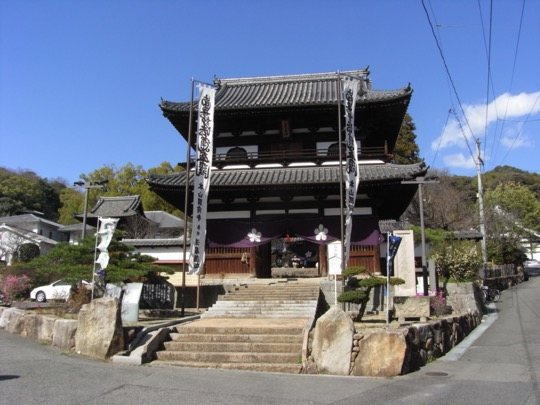
Kokuzenji Temple
A sanctuary with a rich past and cultural treasures
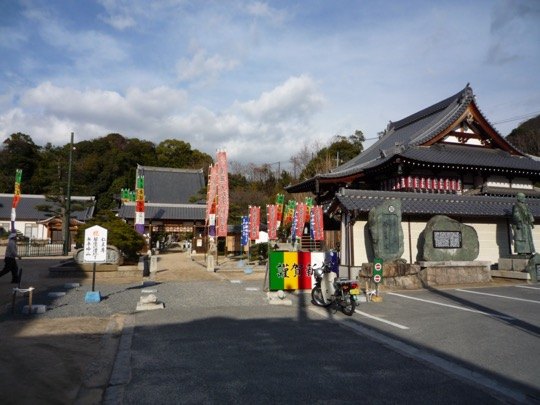
Myojoin Temple
A site of heritage, featuring the Akou gishi statues and a historic ginkgo tree.
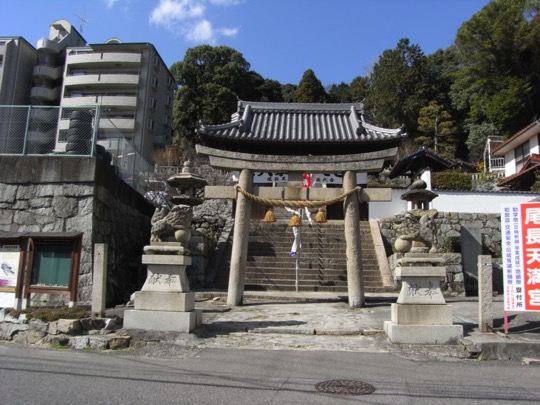
Onaga Tenmangu Shrine
A beacon of cultural devotion surviving since 1640.
Tsuruhane Shrine
A historic sanctuary dating back to 1190 with a rich tapestry of cultural heritage.
Yatsurugi Shrine
17th-century shrine with a unique flood-prevention legend involving eight swords
Similar to Nigitsu Shrine if you like Nigitsu Shrine, you might also like
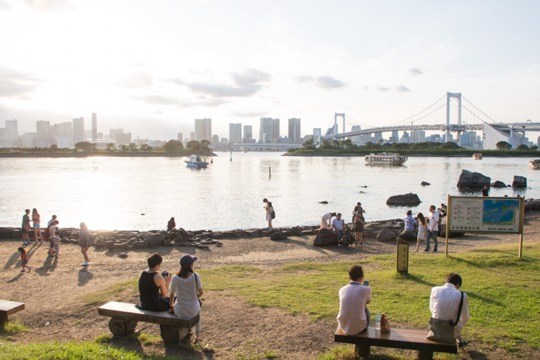
Odaiba Seaside Park
A scenic maritime haven, home to a Statue of Liberty replica and Olympic history
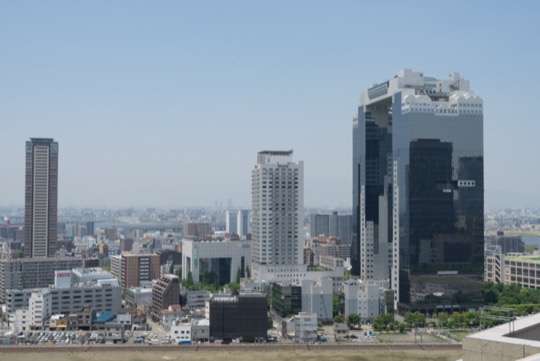
Umeda Sky Building
An iconic skyscraper in Osaka, featuring the distinctive Floating Garden Observatory.
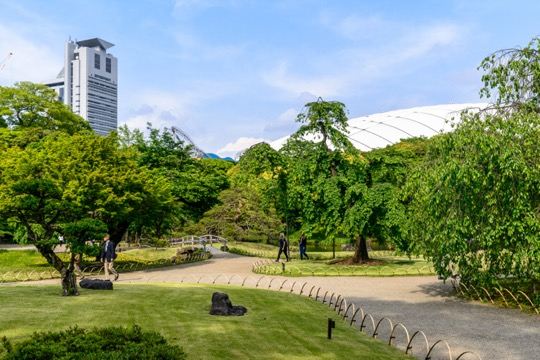
Koishikawa Korakuen Garden
Edo period retreat with Japanese and Chinese landscape influences
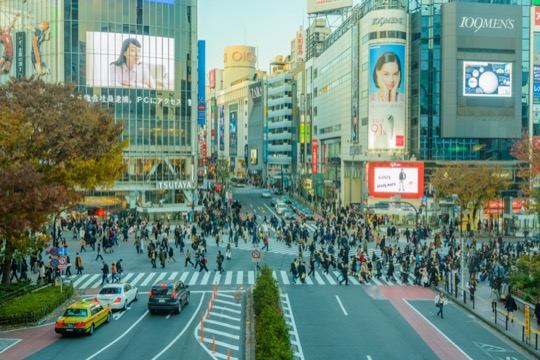
Shibuya Crossing
A nexus of Tokyo’s vibrancy, the world’s busiest pedestrian crossing.
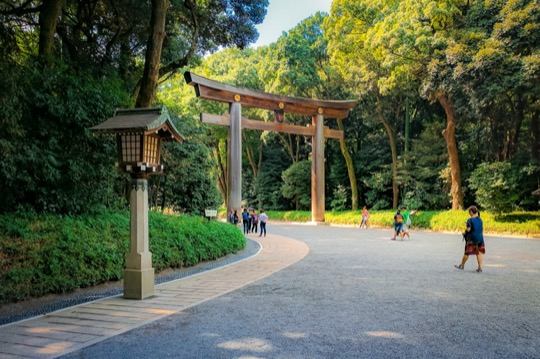
Meiji Jingu Shrine
A peaceful retreat dedicated to Emperor Meiji and Empress Shoken, nestled in Tokyo’s metropolitan landscape.
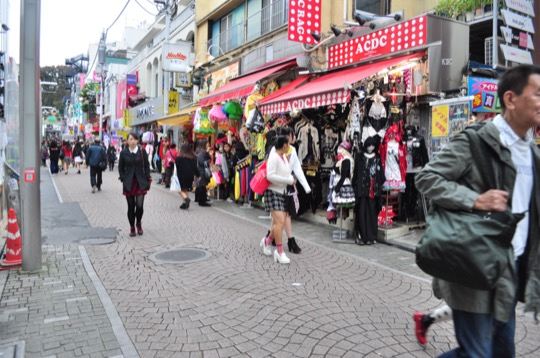
Takeshita Dori Shopping Street
The heart of Japan’s “kawaii” culture and youth fashion