Omotesando Shopping Street
A historic marketplace with a variety of local Miyajima delicacies and souvenirs, including momiji manjuu.
On This Page
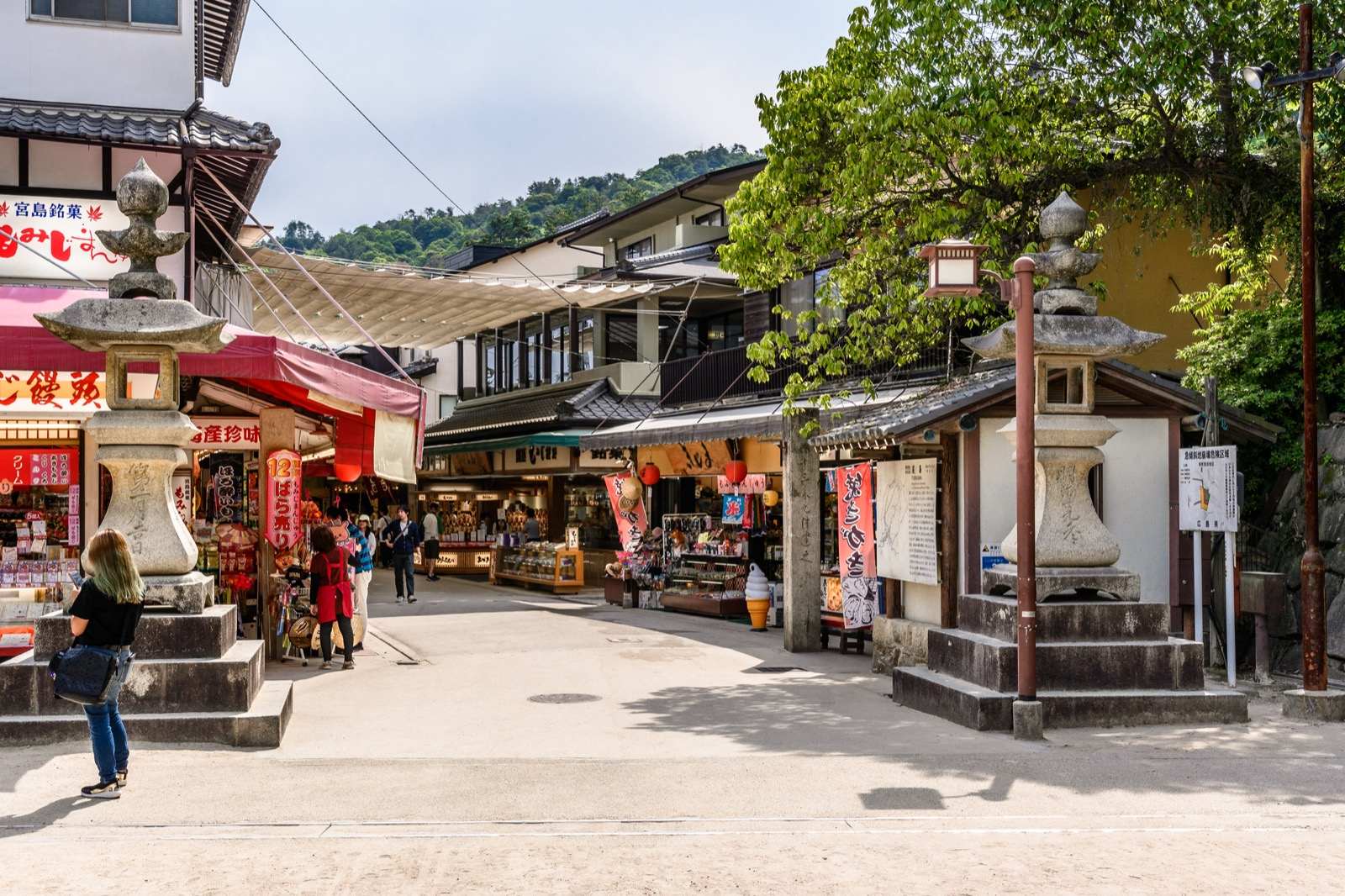
Miyajima’s Omotesando Shopping Street is a lively 350-meter stretch known for its mix of approximately 70 stores offering a glimpse into local culture through souvenirs and traditional cuisine. Here, visitors can taste Hiroshima oysters or the sweet momiji manjuu, a maple-leaf shaped bun.
Omotesando Shopping Street has become a central marketplace in Miyajima, where visitors can enjoy local specialties. The food vendors, inns, and restaurants offer grilled oysters and grilled sticky rice balls with oyster or salt-water eel.
The sweet, deep-fried momiji manjuu, shaped like the region’s autumn leaves and filled with red bean paste, is a famous local product. The Hiroshima oyster, known for its rich flavor, is another delicacy often enjoyed grilled.
The street also features Miyajima shamoji, wooden spatulas traditionally associated with good fortune. A giant shamoji, the world’s largest, is on display, signifying the island’s culinary traditions. This large shamoji was erected in celebration of the nearby Itsukushima Shrine’s World Heritage designation.
Omotesando Shopping Street leads to the iconic Itsukushima Shrine, known for its “floating” torii gate, enhancing the cultural experience of Miyajima.
The street remains a prominent part of the Miyajima visit, offering history, local flavors, and a touch of the island’s cultural heritage.
Planning Your Japan Trip?
Is a JR Pass Worth It For Your Route?
Honest Answer in 60 Seconds
A JR Pass doesn't always save you money (and for many routes, it's just extra hassle). Our free calculator works out the real numbers for your planned route, so you can decide for yourself.
Getting There the easiest way to reach Omotesando Shopping Street
Around Omotesando Shopping Street
Nearby in Miyajima the best attractions close to Omotesando Shopping Street
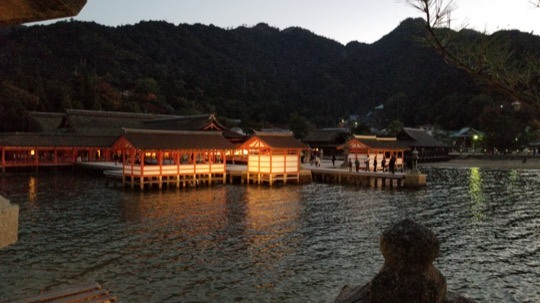
Itsukushima Shrine
A revered Shinto sanctuary, known for its iconic ‘Floating Torii Gate’
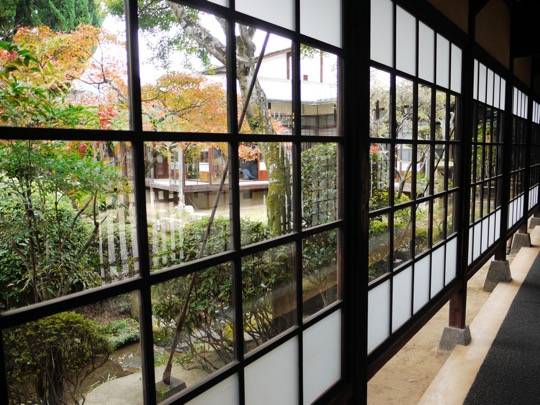
Miyajima History and Folklore Museum
Discover Miyajima’s Edo Period Culture

Miyajima O-Torii
The Grand Vermilion Gate, a spiritual threshold at the entrance to Itsukushima Shrine.
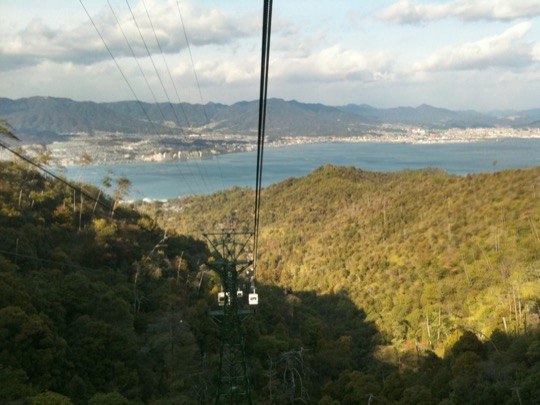
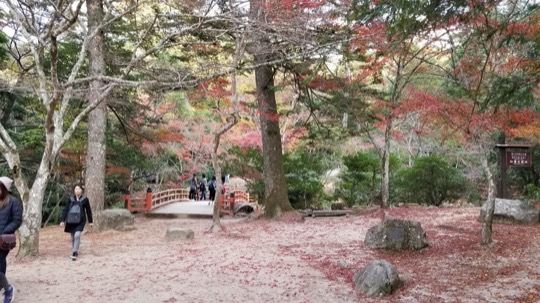
Momijidani Park
A serene haven of maple splendor at the foot of Mt. Misen
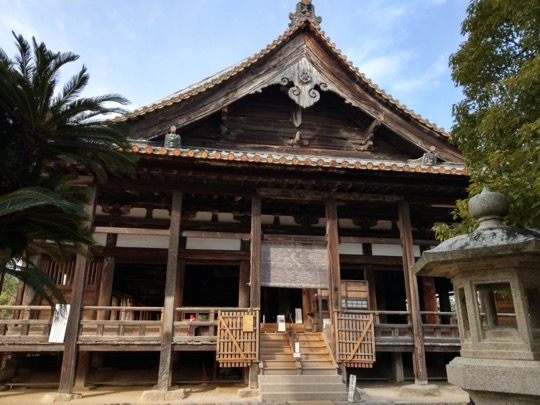
Senjokaku
Historic Hall of Toyotomi Hideyoshi, The Hall of a Thousand Tatami Mats
Similar to Omotesando Shopping Street if you like Omotesando Shopping Street, you might also like
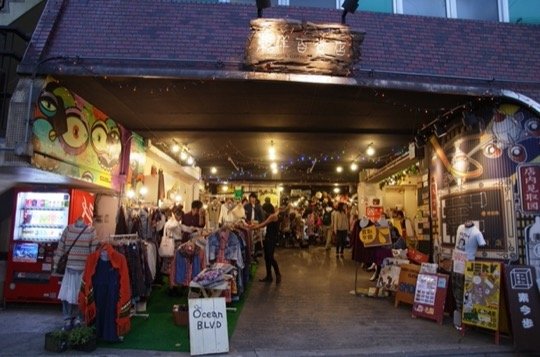
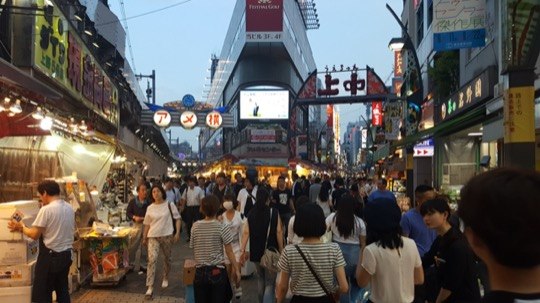
Ameya-Yokocho Shopping Streets
A historic Tokyo market street that mirrors Japan’s vibrant post-war transformation.
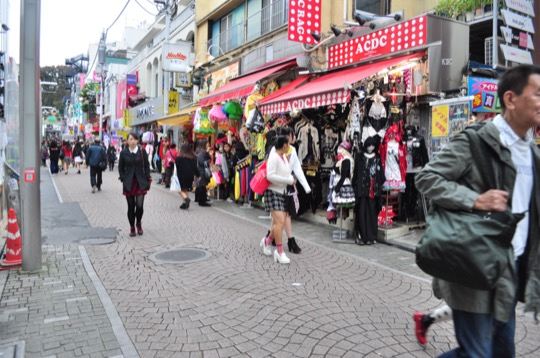
Takeshita Dori Shopping Street
The heart of Japan’s “kawaii” culture and youth fashion
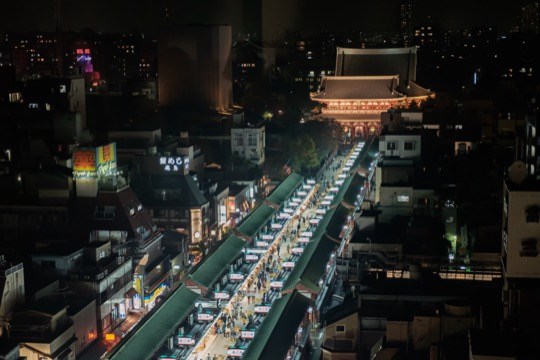
Nakamise Dori Shopping Street
A historic avenue of commerce and culture leading to Tokyo’s Sensoji Temple
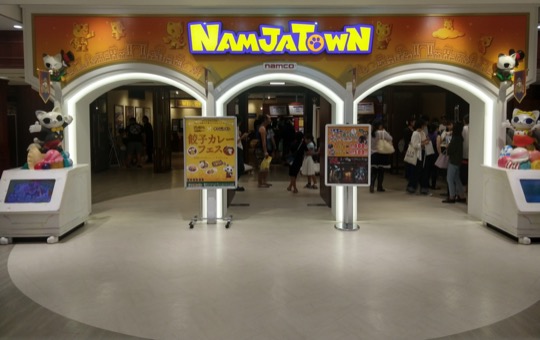
Namja Town
Showa-era themed amusement park blending nostalgia and culinary delights.
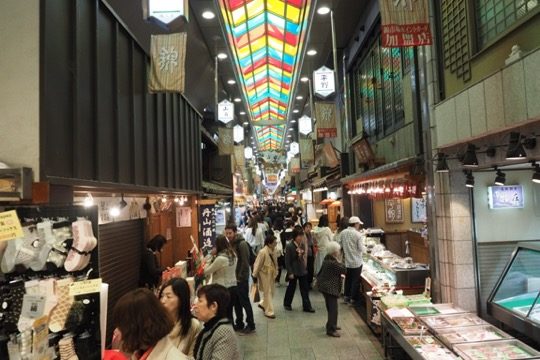
Nishiki Market
A culinary treasure trove with a history of over 400 years in the heart of Kyoto
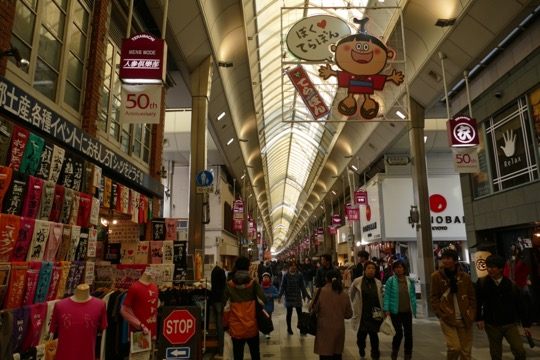
Teramachi-dori and Shinkyogoku Shopping Streets
Historic commercial district featuring Temple Town Street, with connections to warlord Toyotomi Hideyoshi
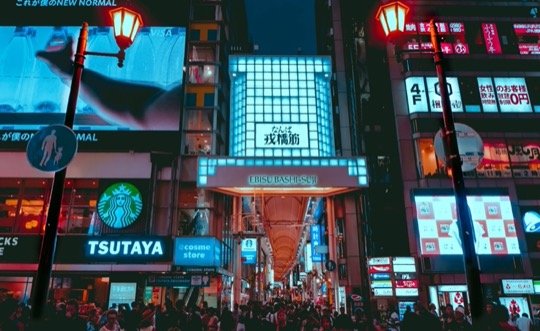
Shinsaibashisuji Shopping Streets
A historic shopping destination in Osaka, offering a mix of tradition and modernity.