Higashi
Cradle of Rebirth, with landmarks symbolizing the history and recovery of Hiroshima
On This Page
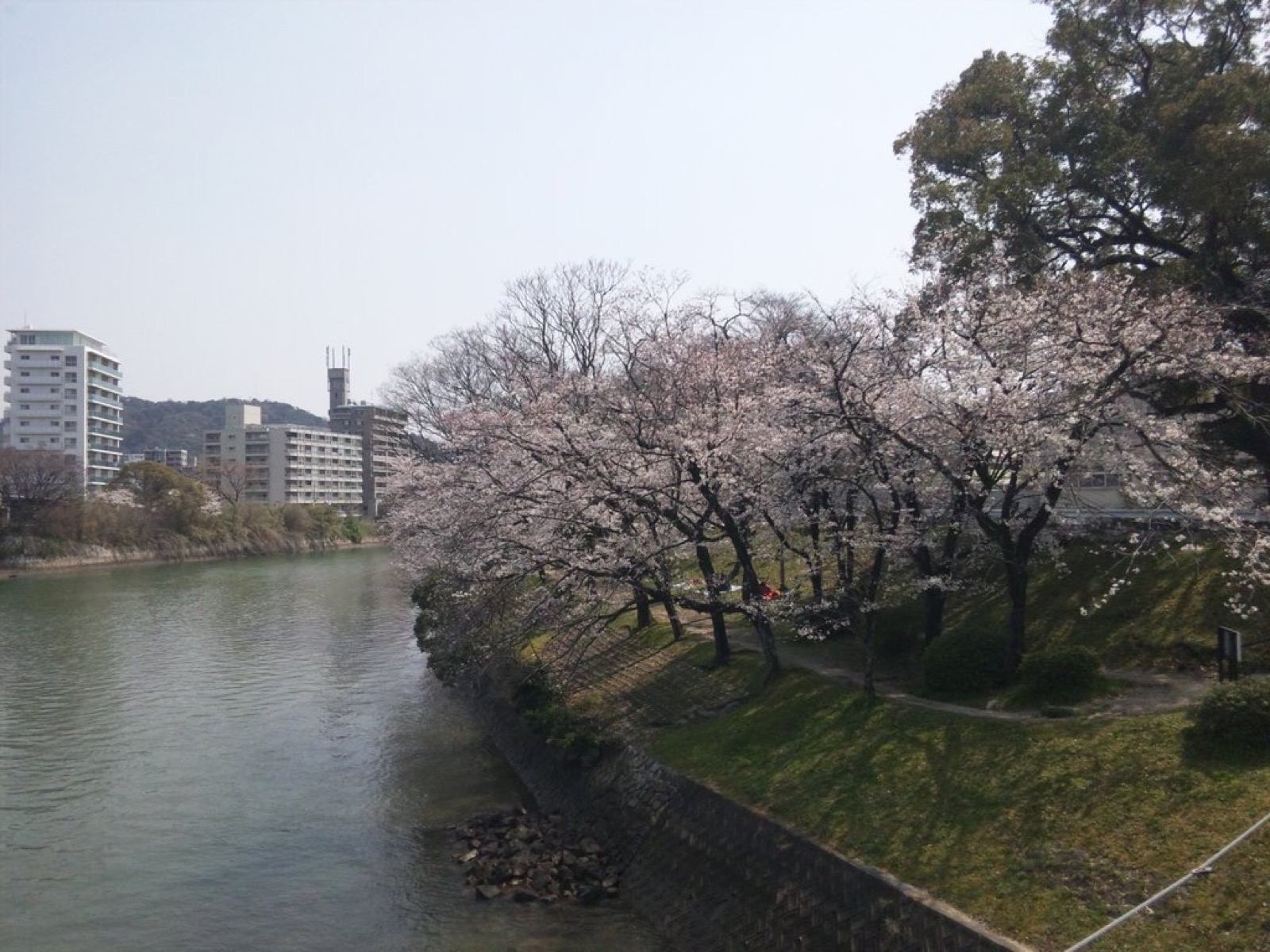
Higashi, a ward in Hiroshima, Japan, is a testament to resilience. Known for its history and spiritual sites, it symbolizes the city’s rebirth following the atomic bombing in 1945.
In the heart of Hiroshima lies Higashi, a ward that has endured through history to become a symbol of remembrance and renewal. The area is rich with sites of spiritual significance and reflects a balance between preserving its past and embracing the future.
Higashi’s narrative is part of Hiroshima’s larger story. The atomic bombing on August 6, 1945, was a pivotal moment, resulting in great devastation. Afterwards, Higashi engaged in reconstruction and is now a symbol of peace and recovery.
The Hiroshima City Waterworks Museum provides insight into the city’s post-war rebuilding efforts, and the civic challenges of that time.
The ward’s spiritual heritage is embodied in sites like Fudoin Temple, a National Treasure recognized for its significant architecture and historical value. Shinto shrines and Buddhist temples in Higashi offer peaceful environments for reflection and connect visitors to the region’s ancient religious traditions.
The cultural fabric of Higashi is woven into the daily lives of its residents, representing a living mosaic of Hiroshima’s commitment to peace and cultural preservation.
Visitors to Higashi are welcomed to discover the history and contemporary culture of Hiroshima through local temples, shrines, and the museum, and by participating in community festivals that celebrate the ward’s identity.
Higashi stands as a place where the past is honored, the present is celebrated, and the spirit of Hiroshima’s rebirth resonates.
Around Higashi
Highlights around Higashi
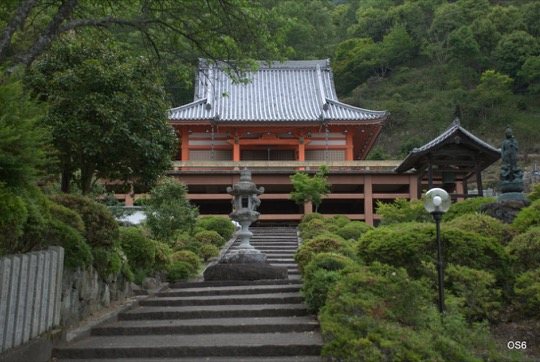
Anrakuji Temple
Survivor of Hiroshima’s darkest day, home to a centuries-old ginkgo sentinel
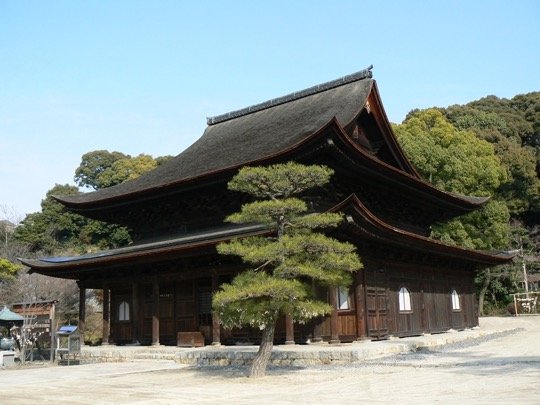
Fudoin Temple
Historic Shingon Buddhist temple in Hiroshima with deep cultural ties
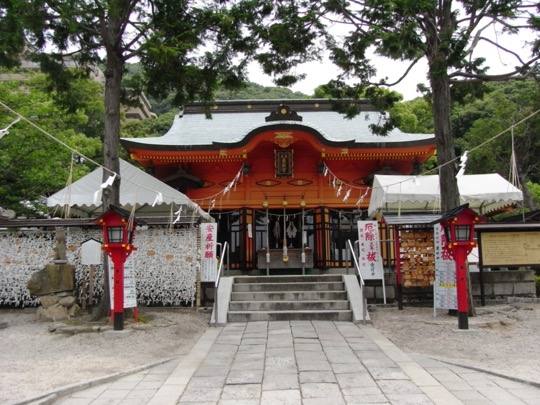
Hiroshima Toshogu Shrine
Enshrining Tokugawa Ieyasu, the founder of the Tokugawa shogunate

Ikari Shrine
A historical shrine dedicated to a notable Edo period lord and a sea deity, surrounded by Hiroshima’s cherry blossoms.
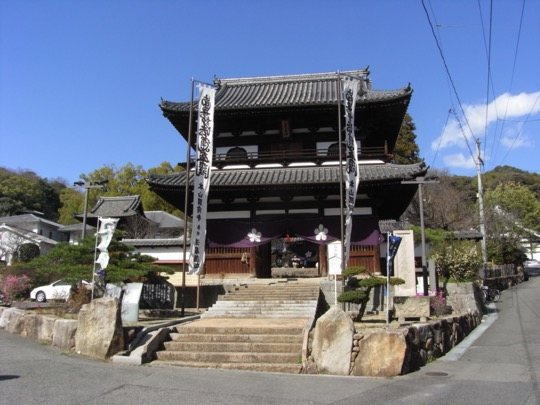
Kokuzenji Temple
A sanctuary with a rich past and cultural treasures
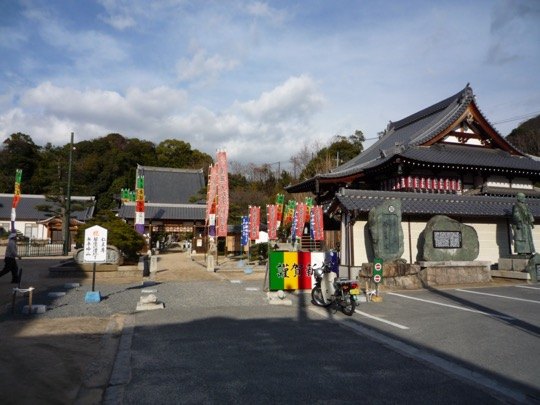
Myojoin Temple
A site of heritage, featuring the Akou gishi statues and a historic ginkgo tree.
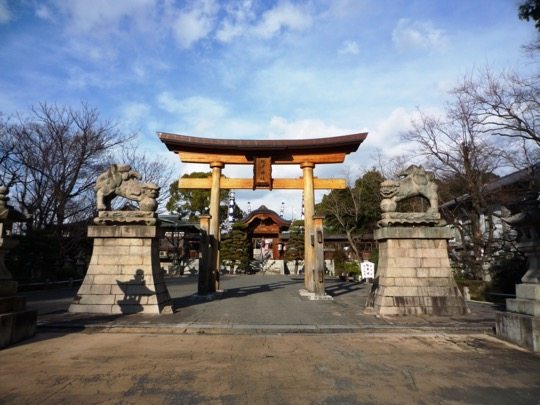
Nigitsu Shrine
Honoring Hiroshima’s Founding Lords: The Asano Clan and Their Enduring Legacy
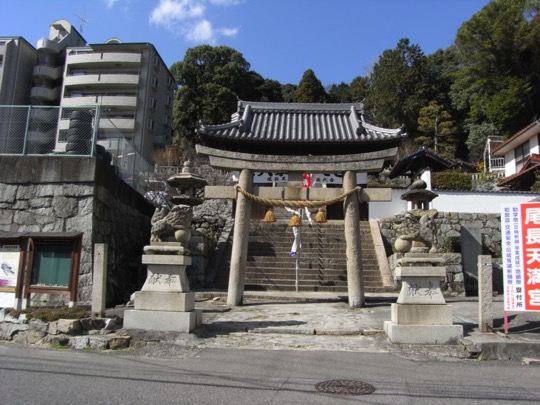
Onaga Tenmangu Shrine
A beacon of cultural devotion surviving since 1640.
Tsuruhane Shrine
A historic sanctuary dating back to 1190 with a rich tapestry of cultural heritage.
Yatsurugi Shrine
17th-century shrine with a unique flood-prevention legend involving eight swords