Yatsurugi Shrine
17th-century shrine with a unique flood-prevention legend involving eight swords

On This Page
Yatsurugi Shrine, known as the “8 sword shrine,” stands as a testament to a unique 17th-century flood-prevention legend. Nestled near the Enko River, this modest wayside shrine is part of the Futabanosato Historical Walking Trail, offering visitors a glimpse into ancient practices and beliefs surrounding water spirits and construction.
The Yatsurugi Shrine, colloquially referred to as the “8 sword shrine,” holds a distinct place in local folklore and history. During the 17th century, the area surrounding the Enko River was frequently threatened by flooding, a natural disaster that brought much distress to the local populace. To combat this, the daimyo, a Japanese feudal lord, sought a solution that deviated from the grim customary practice of the time, which often involved human sacrifice to appease the water deities.
Instead of sacrificing a life, the daimyo ordered a more humane and symbolic offering: the burial of eight swords at the site of the Yatsurugi Shrine. This act was intended to serve as a spiritual bulwark against the raging waters, a plea to the spirits for protection and mercy. The swords, revered in Japanese culture as the soul of the samurai, were likely chosen for their strong association with honor and valor, embodying the strength and resilience the community sought to invoke against the forces of nature.
Although today the Yatsurugi Shrine might appear unassuming, its historical background enriches the experience of those who visit. It serves as a physical reminder of a time when human lives were intimately tied to the caprices of the natural world, and when the intervention of the supernatural was sought to ensure safety and stability. The shrine’s inclusion in the Futabanosato Historical Walking Trail allows it to be part of a larger narrative, connecting it to other historical sites and stories from the region.
For visitors interested in the cultural tapestry of Japan, the Yatsurugi Shrine offers an opportunity to delve into the past and consider the ways in which ancient beliefs have shaped the practices of construction and the communal responses to environmental challenges. While the shrine itself may not house an extensive array of artefacts or possess grand architectural features, its cultural and historical significance lies in the story it preserves—a tale of human ingenuity and spiritual reverence in the face of nature’s unpredictability.
Planning Your Japan Trip?
Is a JR Pass Worth It For Your Route?
Honest Answer in 60 Seconds
A JR Pass doesn't always save you money (and for many routes, it's just extra hassle). Our free calculator works out the real numbers for your planned route, so you can decide for yourself.
Getting There the easiest way to reach Yatsurugi Shrine
Around Yatsurugi Shrine
Nearby in Hiroshima the best attractions close to Yatsurugi Shrine
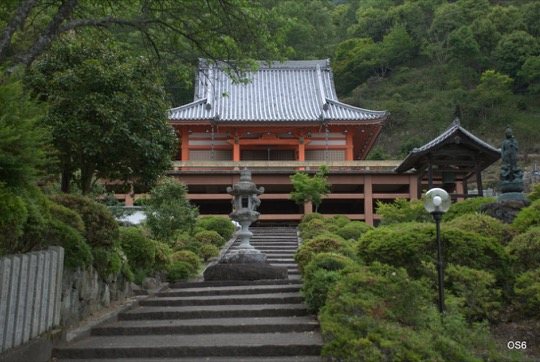
Anrakuji Temple
Survivor of Hiroshima’s darkest day, home to a centuries-old ginkgo sentinel
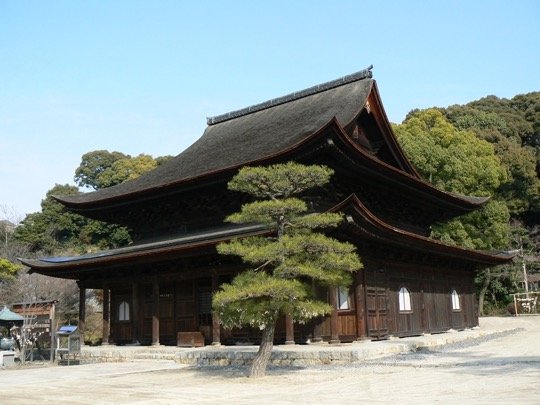
Fudoin Temple
Historic Shingon Buddhist temple in Hiroshima with deep cultural ties
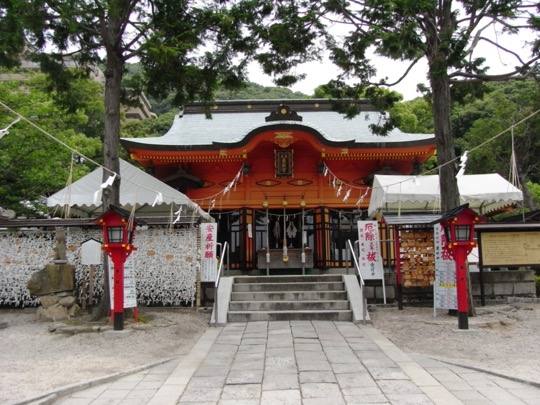
Hiroshima Toshogu Shrine
Enshrining Tokugawa Ieyasu, the founder of the Tokugawa shogunate
Ikari Shrine
A historical shrine dedicated to a notable Edo period lord and a sea deity, surrounded by Hiroshima’s cherry blossoms.
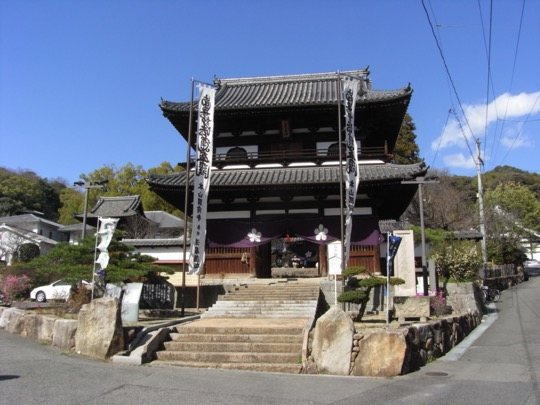
Kokuzenji Temple
A sanctuary with a rich past and cultural treasures
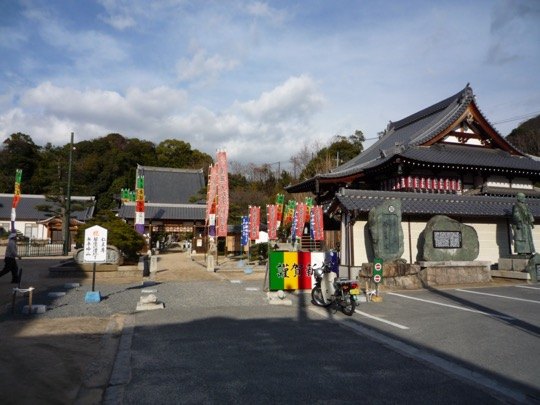
Myojoin Temple
A site of heritage, featuring the Akou gishi statues and a historic ginkgo tree.
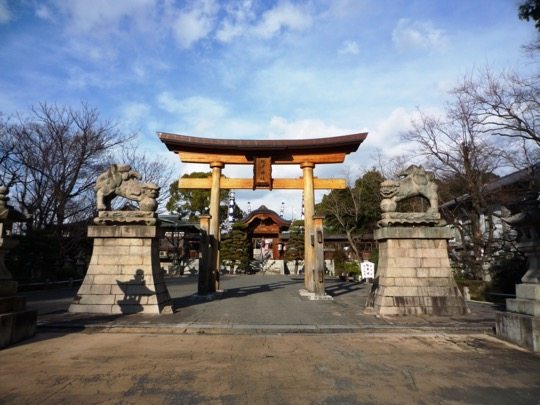
Nigitsu Shrine
Honoring Hiroshima’s Founding Lords: The Asano Clan and Their Enduring Legacy
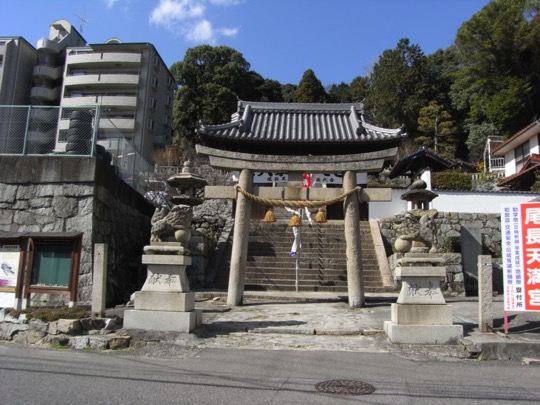
Onaga Tenmangu Shrine
A beacon of cultural devotion surviving since 1640.
Tsuruhane Shrine
A historic sanctuary dating back to 1190 with a rich tapestry of cultural heritage.
Similar to Yatsurugi Shrine if you like Yatsurugi Shrine, you might also like
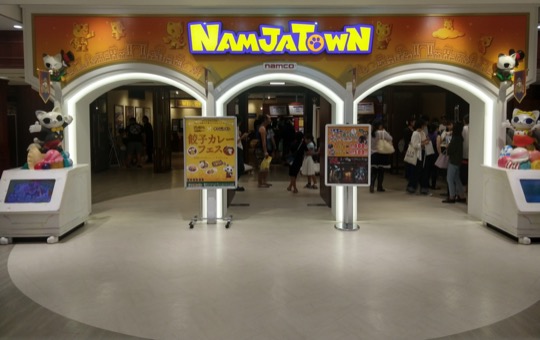
Namja Town
Showa-era themed amusement park blending nostalgia and culinary delights.
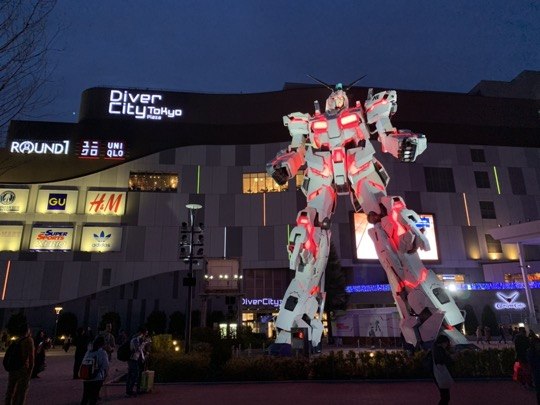
Unicorn Gundam Statue
A towering figure in Odaiba, a tribute to the Mobile Suit Gundam Unicorn series.
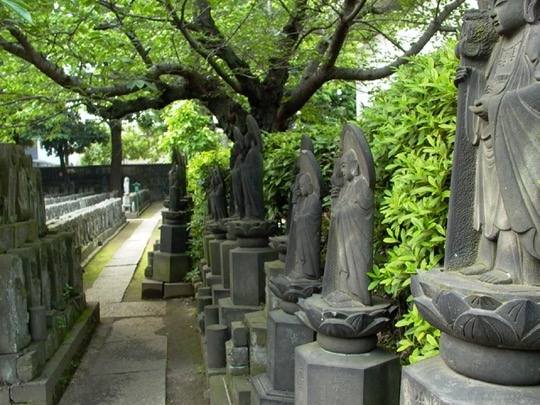
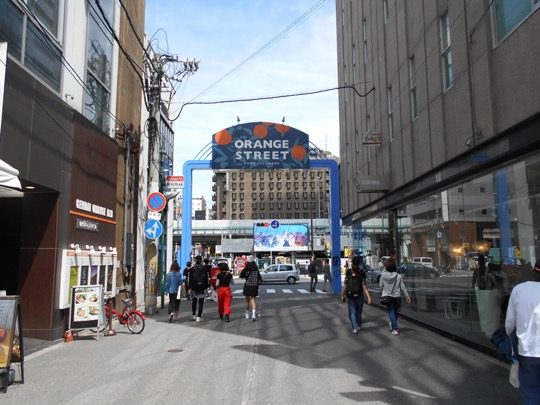
Orange Street
Experience the historic charm and contemporary flair of Osaka on Tachibana-dori
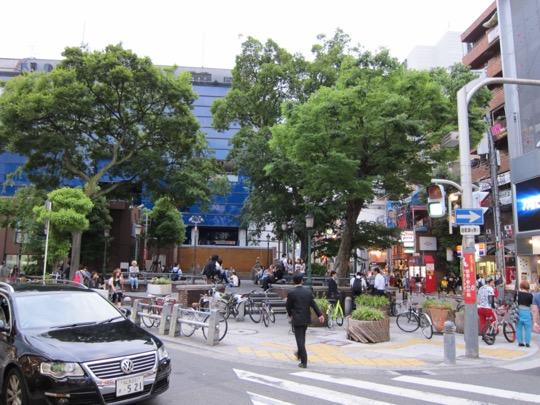
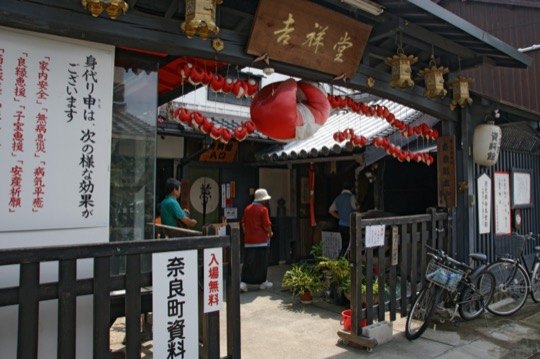
Naramachi Shiryokan Museum
Exploring Traditional Merchant Life in Nara’s Naramachi
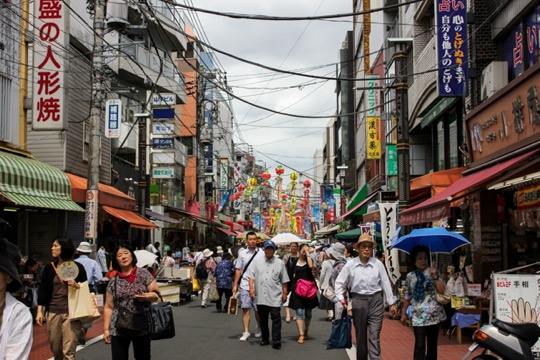
Sugamo Jizo Dori Shopping Street
‘Granny’s Harajuku’ brimming with tradition and elder-centric vibrancy
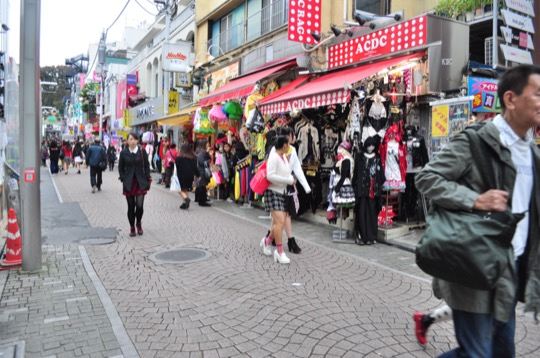
Takeshita Dori Shopping Street
The heart of Japan’s “kawaii” culture and youth fashion